Austin-Healey 100
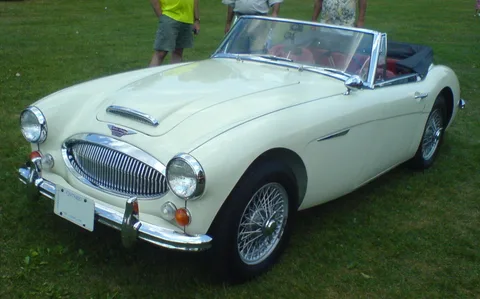
1953 წელს ტრაფალგარის მოედნიდან შენიშნეს — ახალგაზრდა ორსავლიანი, რომელიც სერიოზულად კბილდება MG-ების გარემოს. Austin-Healey 100 თითქმის საჩუქრად შენახულ ფასად სწრაფად და ხიშტად რაღაც სხვას ქადაგებს.
დიზაინი და მასშტაბი
3 850 მმ სიგრძეზე შემოკლებული, 1 540 მმ სიგანესა და 1 250 მმ სიმაღლეზე — წინ წამოწეული ცხვირი, ცხვირკაბინეტის უკან დაშოტლული თავი. წყარო კილოგრამად 910 — დღევანდელ სტანდარტებშიც უმცირესი მასა, რაც წყალმაგრად ააწვა მის ოთხციფიან წეჩიან მატორს.
თაობები და გარდაქმნა
1953–1956 წლებში საწარმოო ხაზზე ორი სერია გაჩნდა: BN1 და BN2. ახლად გადაგებული BN2 ოთხფაზიან გადახდასა და გამძლე უკანა ხიდს გიტანს — იქნენ სამეული ათას-სამასის მთავარი ძვალი.
მემკვიდრეობა
თუმცა ცხოვრება მოკლე იყო, მცირე ხშირად სტანდარტებს ახდენს. 100 ორიოდე წლის ზედაპირზე დონალდ ჰილის სახელს საკის განაპირულ დიზაინს უკვე სამოდელო წერტილად აქცევს.
English version
Designed as an affordable yet ballistic two-seater, the Austin-Healey 100 hit British showrooms in 1953 and instantly redefined what the MG-dominated sports-car market could deliver.
Design & Dimensions
The 100 sat on a compact 3 850 mm footprint, 1 540 mm wide and only 1 250 mm tall—nose low, tail high, windscreen folded flat for streamlining. At 910 kg it was lightweight for the day, allowing its four-cylinder pushrod engine to punch above its weight.
Generations & Evolution
Built from 1953 until 1956, the 100 was produced in BN1 and BN2 series. The BN2 brought a four-speed gearbox and stronger rear axle, laying mechanical foundations that would be carried straight into the larger-engined Austin-Healey 3000.
Legacy
Although the run was short, the 100 established Donald Healey's reputation for front-engine, rear-drive sports cars and created the template that the long-running 3000 would expand upon.