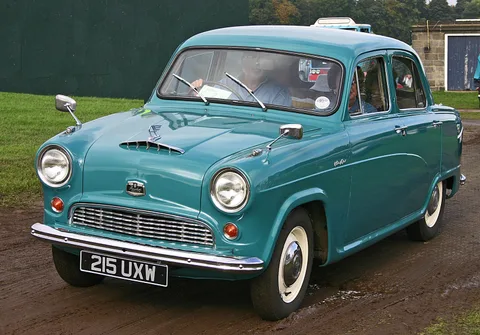
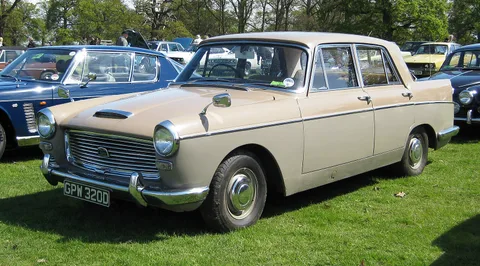
Austin A40 Somerset
Austin-ის პატარა სემეინ-კარს, A40 Somerset-ს 1952-დან 1954-მდე ბრიტანული BMC უშვებდა — Devon-ის შემცვლელად, თუმცა იმავე ძარღვებზე ააშენეს. მოდელი ეკონომ და ლქს-კლასს შუა გააჩერეს, რომ გაზრდილ ოჯახებს ცოტა მეტი ადგილი და ცხენის ძალა მისცემოდათ.
ისტორია
მხოლოდ ორი მოდელური წელი გააჩერა. Somerset–ი ბრიტანეთში იმ დროს მოსულია, როცა ქვეყანა ომის შემდგომი მკაცრი ეკონომიისგან თანდათან თავს იყოფდა. BMC სამიზნე მარტივი იყო: ოდნავ დიდი და ძლიერი ოჯახური ავტომობილი, ვიდრე წინა Devon იყო. შეკრება Longbridge-ის ქარხანაში მიმდინარეობდა, მაგრამ ამერიკული ექსპორტიდან დაწყებული, მსოფლიოს ბოლომდე ერთდროულად გაუშვეს. ეს BMC-ის პირველი მასიური გლობალური ცდა გახდა.
დიზაინი და კონსტრუქცია
გრძივი 4026 მმ სიგრძე და 1600 მმ სიგანე მკაცრ გამოცხადებულ პროპორციებს იძლევა — 1950-იანების დასაწყისის სტანდარტული ბრიტანული სალუნის სურათი. კორპუს-ფრეიმის ტექნოლოგია Devon-ის ცნობილ სათაღლითო შასს შლის, მაგრამ ძალაუფლების 2 ცხენის ძალას 40-იდან 42-მდე ამარტივებს: შეცვლილი კარბიუ და დაჯექი დროულით 1.2-ლიტრი ოთხცილინდრი 70 mph-ზე ზღურბლს ამოგდებს.
ძრავა, შესრულება, მოდიფიკაციები
არჩევანი არ ყოფილა — მხოლოდ ერთი, ოთხკარიანი სალუნი, სვლის სვეტზე გადართადი სამსიჩქარიანი მექანიკა. 0-დან 50 mph-მდე 18 წამში, საშუალოდ 30 mpg ხარჯით — ამით ის პრაქტიკული გადაადგილება იყო, ვინაიდან სპორტულ ამო-შენიშვნებს არ ისახავდა. universal ან კუზოვის სხვა ვერსიები პროექტის ფურცლებზე დარჩა — ოფიციალურად Somerset ერთადერთ ტიპად შემორჩა, თანაც CKD კომპლექტები მხოლოდ ექსპორტისკენ.
მემკვიდრეობა
სულ 170 000-მდე მანქანაა გაყიდული 1954 წლამდე და ამით წარმოება წყდება, თუმცა Somerset მონოკოკის კორპუსის A40 Cambridge-ის ხიდად იქცა. დღეს გადარჩენილი Somerset-ები BMC-ის ინჟინრული პრაქტიკის ცნობილ ფოტოებს ამარგებენ იმ მომენტში ზუსტად მანამ, სანამ ბრიტანეთის ოჯახურ გზებს უკვე მონოკოკი და დიდი ძრავები შეიმკობდნენ.
English version
Slotting between Austin’s popular economy models and their larger luxury saloons, the A40 Somerset served as the British Motor Corporation’s compact family offering from 1952 to 1954, quickly replacing the Devon while carrying its core architecture forward.
History
Produced for just two short model years, the Somerset arrived as Britain clawed back from post-war austerity, aiming to give growing families slightly more room and power than the outgoing Devon it superseded. Assembly stayed at Austin’s Longbridge plant, but domestic and export markets got the car simultaneously, making it one of BMC’s first concerted global pushes.
Design & Engineering
Its 4026 mm length and 1600 mm width produced crisp, upright lines consistent with early-1950s British saloons, while the body-on-frame layout retained the proven ladder chassis of the Devon. Mechanically, weight savings were minimal, yet a modest 2 hp bump from 40 to 42 hp came through revised carburation and timing, pushing the little 1.2-litre four to a respectable 70 mph top speed.
Performance & Variants
No engine choices or bespoke body styles were offered; the Somerset came as a single four-door saloon with column-shift three-speed manual. A claimed 0–50 mph in around 18 seconds and 30 mpg economy made it practical transport rather than sporting metal. Estate and utility versions never left the drawing board, leaving the saloon—and limited export CKD kits—as the only official form.
Legacy
Sales barely cleared 170,000 units before the Somerset bowed out in 1954, yet the car acted as a bridge to the monocoque A40 Cambridge that followed. Seen today, surviving Somerset saloons mark a clear snapshot of BMC engineering practice just before unitary construction and larger engines took over British family roads.