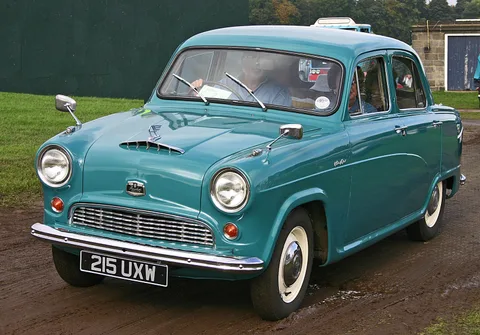
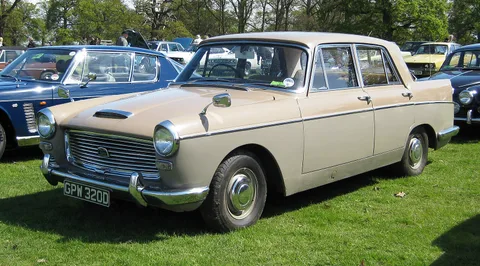
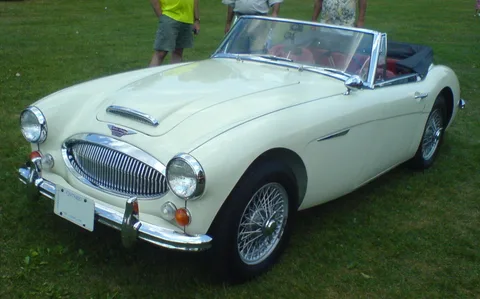
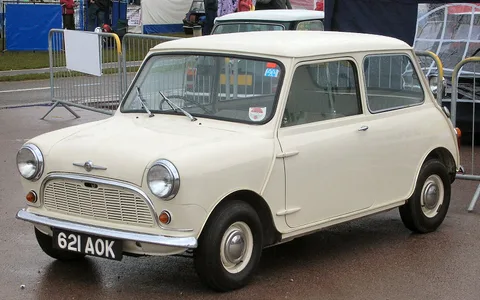
Austin 3-Litre
1967 წლის ლონდონის შოუზე British Motor Corporation-მა Austin 3-Litre წარმოადგინა — იმ პერიოდის 3-ლიტრიან ეგზეკუტივ სედანებში ჩასახლება გადაწყვიტა. მანქანა პატარა, მაგრამ მნიშვნელოვანი ნაბიჯი იყო Austin Westminster-ის სისხლისწასვლის გასაგრძელებლად.
საწყისები და დიზაინი
1960-იანი წლების დასაწყისში დაიწყო ADO61 პროექტი — ეს ჯერ British Leyland-ის შემოსვლამდე იყო. წინა ბამპერი და მკაცრი უკანა ფლენგები Morris 1800-ს აგონებს, თუმცა 3-Litre შემორჩენილია უკანა წამსვლელზე. სრულიად ახალი შასი იდვა საფუძვლად და BMC-მ ჩამოაყალიბა ფართო, პირდაპირი სილუეტი, რათა ბიზნეს-შაბლონში გერგო.
ტექნიკური შენაერთი
წინა კაპოტში 125 ცხ.ძ. 6-ცილინდრიანი 3-ლიტრი ეწყო. უკან ოთხსაფეხურიანი მექანიკა აგზავნიდა. მერხეთა 1 524 კგ-მ 161 კმ/სთ-ს არტყა მწვერვალი — იმხელა ადეკვატური, რამდენჯერც კონკურენტები ბოლომდე არ უშვებდნენ. წინა ბლოკი გრძელი ტორსიონებით აჰყურებდა, უკან კი ძალიან ჩვეულებრივი რკალ-მრტ-ღილი ათავსებდა მოტოციკლების ოცნებას კომფორტზე.
წარმოება
ოქტომბერში 1967 შესახელდა, 1971-ში კი ფასების პირდაპირ ჩამოწერაში გაქრა. ზომები — 4 718 мм სიგრძე, 1 695 სიგანე, 1 440 სიმაღლე — Westminster-ისა და Princess-ის შორი მხოლოდ ახალ აზრთა და ასე გაჩაის წილი წარმოადგენს.
მემკვიდრეობა
ძირითადად კომპანიებისა და პატარა სამთავრობო დეპარტამენტების სარიგზე გადის. დღესმე ნარაზანი ასლები ფლობს წარსულის რარულ ნიშნად, როცა BMC-მ Rover-ებსა და Triumph-ებს პირდაპირ ფემოტა წააწყო მონაწილე.
English version
British Motor Corporation unveiled the Austin 3-Litre at the 1967 London Motor Show as its answer to 3-litre executive saloons, quietly evolving the Austin Westminster bloodline.
Origins and Design
Project code ADO61 began in the early 1960s, predating the British Leyland takeover. While its tall grille and crisp rear wings echoed the contemporary Morris 1800, the 3-Litre was engineered for rear-wheel drive, giving it a conventional silhouette on an all-new chassis. BMC deliberately styled the car with a broad, upright stance to command executive respect.
Mechanical Specification
A 125 bhp 3-litre inline six sat up front, channelling power to the rear wheels via a four-speed manual transmission. That output pushed 1 524 kg to a 161 km/h top, respectable for the era yet short of fully-pressed rivals. The suspension used longitudinal torsion bars up front with a live rear axle, prioritising smooth ride over outright agility.
Production Life
Introduced in October 1967, the 3-Litre disappeared from price lists by 1971 after modest production numbers. Its footprint—4 718 mm long, 1 695 mm wide, 1 440 mm tall—made it the short-lived bridge between the ageing Westminster and the later Princess line.
Legacy
Used mainly by company fleets and smaller Government departments, the car never reached the volume BMC expected. Today surviving examples are rare markers of an ambitious pre-Leyland fightback, reminding historians of the moment BMC tried to match Rover and Triumph head-to-head.