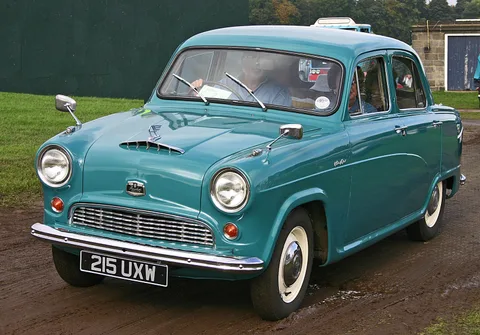
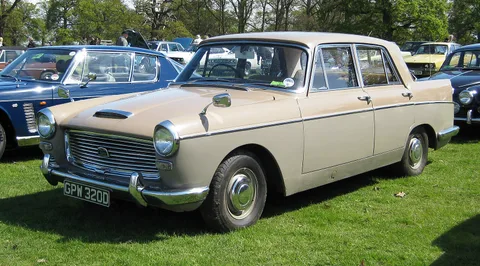
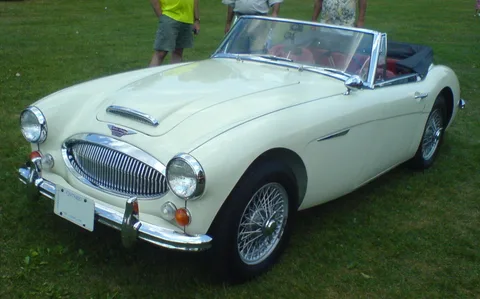
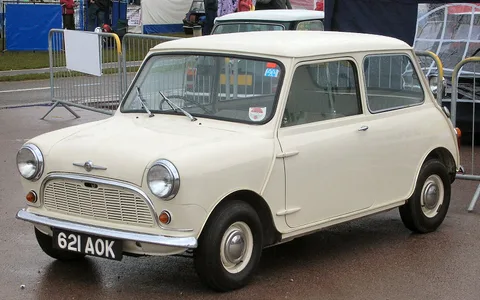
Austin 16
წარმოება: 1927–1938
1927 წლის ოქტომბერში ჩვენებული Austin 16, ან როგორც ოფიციალურად ეძახდნენ „Sixteen Light Six“, 1928-ის გაზაფხულიდან ინგლისის შოურუმებში გამოჩნდა — ეროზისთვის პირველი ექვსცილინდრიანი ოჯახური სედანი 16-ცხენოვანი საგადასახადო კლასით. იგი მკვიდრად გაცვალა ხანგძლივად ბაზარზე მყოფ Austin 12-ს და 1938 წლამდე გაგრძელებულმა წარმოებამ გააერთიანა ძველი დამოუკიდებელი Austin-ის უკანასკნელი წლები და 1952-ის BMC კონსოლიდაცია, ისე რომ „ჩირაღდნად“ გადაიქცა მომავალი British Motor Corporation-ის ეპოქისთვის.
გამოსვლა და პოზიცია ბაზარზე
მანქანა პირველად 1927 წლის ლონდონის ავტოშოუზე წარადგინეს, ლაკონური სახელწოდებით „Light Six“ — უფრო მსუბუქი და მოქნილი ვერსია წინა Austin-ის ექვსცილინდრიანებთან შედარებით. ოფიციალური ტექნიკის მინიმალური დოკუმენტაცია რომ არ იყოს, თანამედროვე რეკლამები მძლავრი ბრუნვის მომენტისა დაბალ ბრუნვაზე და ვაკუუმის დამცავი მუხრუჭების აქცენტს აკეთებს — იმ დროს მოწინავე ფუნქციები £465იან ფასად 1928 წელს. მოდელი რჩებოდა ფლაგმანური Austin 20-ის ქვემოთ და მიზნად ისახავდა იმ პროფესიონალი ოჯახების კომფორტს, რომელთაც Austin 12-ის ოთხცილინდრიანი წარმოდგენა აღარ სჭირდებოდათ.
ყოველ წელს მისი დიზაინი და ტრიმები უმჯობესდებოდა: სედანი, ლანდოლეტი და იშვიათი ღია ტურერი. წარმოება ნაზად 1938-ში შემოკვეტეს — იმავე წელს, როდესაც ლეონარდ ლორდმა Austin-ის მოდელების რასიონალიზაცია დაიწყო — ტოვებს 16-ს როგორც წინამორბედის, ასევე მემკვიდრის გარეშე ახალ, გაწერილ ლინეიფში.
ყოვედღიური ცხოვრება და მემკვიდრეობა
დროის გაზეთებში Austin 16-მა სიცოცხლისუნარიანობით გამოირჩეოდა — მასზე ხშირად ქალაქგარეთ მომუშავე ექიმები და კომერსანტები დაჰყავდათ, რამდენადაც მაღალი გამისხარჯვის კლიერენსი და ექვსმავთულიანი კოლენიალი (ხუთი ბაბილით) ამეტიან გზების ბორზე არაფერს ართმევდა. არაგამორჩეული იყო მოტოსპორტში, თუმცა ერთგული მექანიკა წინაომიანი ბრიტანეთის არაპროფესიონალ რალებში და კინოებში მას უმნიშვნელო, მაგრამ ხშირ ფონდს უქმნიდა. როცა 1952-ში ლორდმა Austin Nuffield-ჯგუფთან გააერთიანა, რამდენიმე საწყობში გარანჯული 16-კა დაქირავების სატრანსპორტო საშუალებადა და სერვის-დაგდებით, ერთგვარ ხიდად იქცა წინაომიანი და ომისშემდგომი BMC წარმოებისა.
English version
Introduced in October 1927, the Austin 16 (officially the "Sixteen Light Six") entered British showrooms in early 1928 as Austin’s first six-cylinder family saloon in the 16-horsepower tax class, effectively replacing the long-running Austin 12. Its decade-long production run through 1938 bridged the final years of independent Austin ownership and the 1952 BMC merger, making it a quiet harbinger of the British Motor Corporation era.
Launch and Market Position
The car debuted at the October 1927 London Motor Show as the "Light Six," signalling a lighter, more nimble approach than previous Austin sixes. While official technical details are scarce, contemporary adverts emphasised low-rev torque from the coast-to-coast engine and vacuum-assisted brakes—features considered advanced for the £465 asking price in 1928. The model sat one rung below the flagship 20 and served growing professional households needing more refinement than the side-valve four-cylinder Austin 12 could offer.
Revised annually, trimmed variants appeared across the 1930s: saloon, landaulette, and a rare open tourer. Production quietly wound up in 1938, the same year Leonard Lord began rationalising Austin ranges—leaving the 16 with neither direct successor nor direct predecessor in the newly reorganised line-up.
Everyday Life and Legacy
Newspapers from the era show the Austin 16 earning a reputation for longevity among country doctors and commercial travellers, aided by generous ground clearance and a six-bearing crankshaft that helped it cope with unsurfaced British roads. Although unremarkable in motorsport circles, the 16’s dependable mechanics made it a familiar sight in pre-war films and amateur rallies, forming an understated backdrop to 1930s Britain. When Lord merged Austin with Nuffield Group in 1952, a handful of mothballed 16s were rolled out as make-do hire cars and staff hacks, accidental relics linking pre-war and post-war BMC production.