Bentley S1
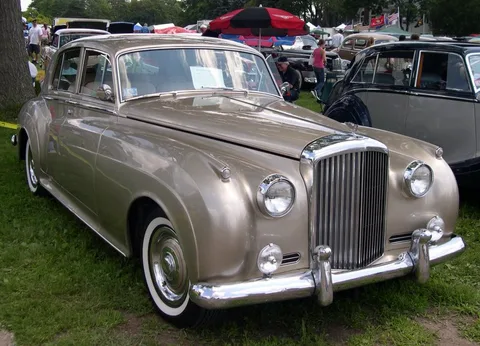
1955 წელს გამოჩენილი Bentley S1-მა R-Type-ი გაანაცვლა და მარკის უკანასკნელი სეპარიტული შასისანი სედანი გახდა, სანამ მონოკოკის წესჩამორთმეული ეპოქა დაიწყო.
ისტორია და პრემიერა
S1 Silver Cloud-ის პლათფორმას ეფუძნებოდა, მაგრამ ბენთლის გარეგნობითა და ძერძითაც განსხვავდებოდა. წარმოება 1955-იდან 1959-მდე გაგრძელდა — ეს სერიის პირველი, სამი თაობის საწყისი ეტაპია, რომელიც 1965-მდე გაიწელა.
დიზაინი და ტექნიკა
კაროზერია ტრადიციულ საფეთქელ-შასიზე დგას — ყუთისებური ფოლადის ჯვარედინი კონსტრუქცია — რამაც ბოდის ინდივიდუალურ შეკვეთებს შესაძლებლობა დაუტოვა, ხოლო Rolls-Royce-ის პრესები სტანდარტულ ფოლადის სედანს ამზადებდნენ. ძრავათა პირველადი ვარიანტი იყო 4.9-ლიტრიანი შვიდური, R-Type-ის ბლოკის გაფართოებული ვერსია, უკანასკნელ ოთხსიჩქარიან ავტომატთან დაწყვილებული. სალონში გაუთავებელი ატლასის ხე და Connolly-ს ნამდვილი ტყავი შვებოდა, ელექტრონული გამაძლიერებელი მართვა კი ორტონიან მასას ადვილად ატრიალებდა.
S2-ზე გადასვლა და მემკვიდრეობა
1959 წლის ბოლოს პლათფორმა Rolls-Royce-ის ახალ სრულალუმინ-ბლოკ L-series V8-ით შეივსო — დაიჩრდილა ექვსკვირა. S1 V8-იან ძმაზე მალე გადაეწია, მაგრამ მისი შასის და დიზაინის თვისებები S3-ის სახედაც გაივლო, სანამ 1965-ში ტელესკოპური T-series დაასრულებს ამ დიდ თავს.
English version
Emerging in 1955, the Bentley S1 replaced the R-Type as the marque’s flagship saloon, standing as the final Bentley built on a separate chassis before monocoque construction took over.
Background & Launch
Introduced shortly after Rolls-Royce’s Silver Cloud, the S1 shared that platform but retained distinct Bentley styling and mechanical tuning. Production began in 1955 and ran through 1959, making it the first of a three-generation S-series that would stretch into 1965.
Design & Engineering
Its body rode on a traditional ladder chassis—really a boxed-steel cruciform frame—which allowed bespoke coachbuilding while Rolls-Royce’s own pressing supplied the standard steel saloon. Power initially came from a 4.9 L straight-six enlarged from the R-Type, mated to a 4-speed automatic gearbox. Cabin appointments were lavish, with burr walnut, Connolly hides, and power-assisted steering making the 2-ton saloon surprisingly manageable.
Transition to S2 & Legacy
Late in 1959 the platform gained Rolls-Royce’s new all-alloy L-series V8—goodbye to the straight-six—creating the S2. Though the S1 overlapped its V8 sibling only briefly, its chassis architecture and styling DNA guided the ultimate S3 facelift, closing this chapter permanently when unitary T-series cars arrived in 1965.