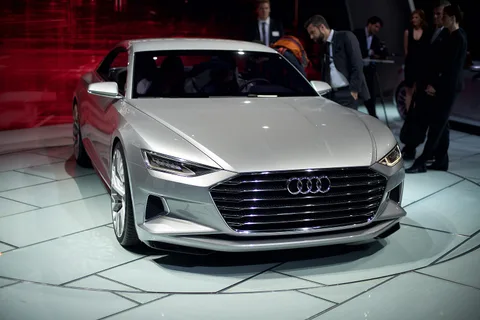
Audi Type A
1910 წელს კომპანიამ «Audi» პირველი სერიული მანქანა – Type A – ხელით დაჭიმული 140 ეგზემპლარით წარმოადგინა. პატარა, მაგრამ გასაოცრად მოძრავი, ეს მოდელი მთელი მომავალი ოთხწრეხიანი ნიშნის სიმბოლური და ტექნიკური საფუძველი გახდა.
ტიტრის დაბადება
როცა ავგუსტ ხორხმა 1909-ში «Audi Automobilwerke GmbH Zwickau» დააარსა, Type A მაშინვე იყო განცხადება, რომ ახალი ბრენდი სერიოზულად მოდის. მთლიანად ცვიკაუს ქარხანაში აწყობილი 140 ეგზემპლარი სინამდვილეში პირველი წელი იყო, როდესაც სახელწოდება „აუდი“ უკვე მანქანას ეხებოდა.
დინამიკა და ინჟინერია
პატარა, მაგრამ საკუთარი დროისთვის წინ ნაბიჯიანი ძრავა Type A-ს 75 კმ/სთ-მდე მიჰყავდა — 1910 წლისთვის ეს ყოვლად კარგი შედეგი იყო. შასის ინჟინერიამ საიმედოობა და დაუბეჭდავი სიმარტივე აირჩია, რადგან ევროპის გზები ჯერ კიდევ სახარიბო იყო. ეს აწყობა მომდევნო წელს Type B-ს სრულყოფის ჩხრეკად იქცა.
Type A-დან Type B-მდე
წარმოება 1911-ში დამთავრდა, როგორც კი Type B გამოჩნდა. მოკლე ცხოვრება შემთხვევითი არაა — ის დრო იყო, როცა ყოველ წელს ახალი ამგვარი „ბეტა-ვერსიები“ გამოდიოდნენ. მიუხედავად ამისა, Type A-მ Audi-ს ხელოვნება თქვა: პირველმა მოდელმა ბრენდის ინჟინერული ფლეი და სიმტკიცის სტანდარტი გააფორმა.
English version
Audi’s very first production car arrived in 1910, carrying the fledgling brand’s name into public view with just 140 hand-built examples. Compact yet surprisingly rapid, the Type A laid the mechanical and symbolic foundation for everything that would bear the four-ring badge.
Genesis
When August Horch set up Audi Automobilwerke GmbH Zwickau in 1909, a successor to his earlier venture, the Type A was the immediate technological announcement that the marque existed. Built entirely at the Zwickau plant, the small run of 140 cars represented the first year of automobile production under the Audi trademark.
Performance & Engineering
Powered by a modest but advanced-for-its-era engine, the Type A could reach a top speed of 75 km/h—an impressive figure in 1910. The chassis blended simplicity with precision, prioritising reliability on the still-rough European roads. Its mechanical layout and specification set the template Audi would refine in the following year with the Type B.
From Type A to Type B
Production lasted only until 1911, when the model was succeeded by the Audi Type B. The brief lifespan reflects an era when rapid incremental change was standard practice, but the short production run did not diminish the Type A’s significance; it established Audi’s engineering voice and gave customers their first look at the brand’s emerging reliability standards.