Audi Rosemeyer
წარმოება: 2005–
2000 წელს შექმნილა, მერე პლანეტის გარშემო ტურნეზე გაატარეს — Audi Rosemeyer-ს ერთადერთი ნიმუში ინგოლშტადტის მომავალი დიზაინის წინასწარ ნახავს წარმოაჩენს და 1930-იანი Auto-Unionის ფორმას 350 კმ/სთ-ზე სრიალა WR16-ის აზიდვას ურთავს.
უკანასკნელი წინა პოტენციალი
Audi-მ Rosemeyer იმიტომ დაამზადა, რომ ომამდელი Auto-Union-ის ტემპ და XXI საუკუნეს დაემყარებინა. კონცეპტი უპირველესად ვოლფსბურგის Autostadt-ში გამოჩნდა, სადაც ფოლადის პოლიტადი ქანდაკებას ჰგავდა, მერე გასვლითი სალონური თამაშები 2000 წელს მოუწყვეს სვეტს. წინარეკვალიფიკაციები — ეროდინამიული Avus quattro 1991 წლიდან და Auto-Union Type A/B-ების დიდი ჩხრიალა ძელები იყვნენ, რომლებიც მათ hand-beaten ალუმინის პანელებზე აისახნენ.
დიზაინი და მასალები
ყველა საფეხური ალუმინის სარკეა, რაც 4539×1920 მმ-იან და COUPE-ს აიმედები პოლიშში შემზადებულ ბონეტს შორის ჩართავს, ცენტრალურ ნაკვეთსა და ისპირწიფ მურს. აქტიური აეროდინამიკა მინუს მატარებელ ჩაქოლილა პერსონაჟს უქმნის, სიმაღლე 1240 მმ—შესაბამისად, სილუეტი ყელზე გაწეულია. სრული 1600 კგ დგექს უზემოში, მადლობა მთლიანად ალუმინის აწყობასა და კაროსერიას.
ტექნიკა და შესაბამისი წვიმა
უკანა ბაღში ჩაჯდა 8.0-ლიტრიანი WR16 — იგივე ბლუპრინტი, რომელიც შემდეგ Bugatti Veyron-ში გრძელდება. „Veyron-ის პოტენციალი“ ოფიციალურად გააჟღერეს, მაგრამ შიდა გეგმა ჰქონდა 350 კმ/წ და 0–100 კმ/სთ-ს 4 წამში, სრული ოთხკუთხედის ცენტრალური გადანაწილების წყალობით. შასის საფუძველი ალუმინის მონოკოკია, ჭკიდან შეკრებილი სასპენზიონით — Auto-Union-ის underslung-ის ხსოვნაა, მაგრამ თანამედროვე სტაბილიზაციისთვის ახალია.
მემკვიდრეობის ხიბლი
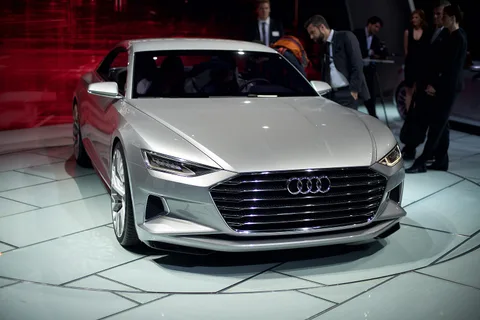
Rosemeyer-ი გზაზე არ გასულა, მაგრამ მისი ფორმები — ერთიობაიანი grill, დანით ამჟღავნებელი ფენდერები, ალუმინის ღია ქაფები — მაშინვე 2003 წლის Nuvolari quattro-სა და 2016 წლის Prologue-ის წვიმაში გადაიხედა. 2004 წელს გახდა წინასწარ RSQ-ის საფუძველი I, Robot-ში. დღესაც ინგოლშტადტის მუზეუმში დგას, წვრთნადი სკულპტივული მოხსენება — W16-ის საგუშაგოს დიზაინ-მემკვიდრეობა.
English version
Unveiled in 2000 and later displayed worldwide, the Audi Rosemeyer is a one-off concept coupé that previews Ingolstadt’s future design language while grafting a 350 km/h-capable WR16 powertrain into a body inspired by 1930s Auto Union grand-prix racers.
Origins and Inspiration
Audi built the Rosemeyer to bridge its pre-war Auto Union racing heritage with 21st-century technology. Named after pre-war record driver Bernd Rosemeyer, the concept first appeared at Autostadt Wolfsburg as a gleaming aluminum sculpture before touring European motor shows in 2000. Its direct forebears are the aerodynamic Avus quattro of 1991 and the 1930s Auto Union Type A/B racers, whose polished riveted bodies influenced the choice of hand-beaten aluminum panels.
Design and Materials
Every surface is polished alloy, giving the 4539 mm-long, 1920 mm-wide coupe a mirror-bright finish that emphasizes the long bonnet, central cabin, and tapered rear echoing classic V16 streamliners. Hidden active aerodynamics sit flush, while the 1240 mm height keeps the silhouette low. Mass is held to 1600 kg thanks to the all-aluminum structure and bodywork.
Performance Engineering
Under the rear decklid sits a mid-mounted WR16 engine—an 8.0-liter, 16-cylinder blueprint later refined for the Bugatti Veyron. While Audi quoted only "Veyron potential", internal targets listed 350 km/h and 0–100 km/h in under 4 s, fed by all-wheel drive. The chassis uses an aluminum monocoque with inboard suspension, recalling Auto Union’s underslung design but adapted for modern stability control.
Legacy and Influence
The Rosemeyer never reached production, yet its formal cues—single-frame grille, knife-edge fenders, open-sculpted aluminum—reappeared on 2003’s Nuvolari quattro and the 2016 Prologue concept. It also paved the way for the fictional Audi RSQ in 2004’s film "I, Robot". Today the show car remains in Audi’s Ingolstadt museum, a static reminder of the brand’s W16 engineering and heritage-led design philosophy.