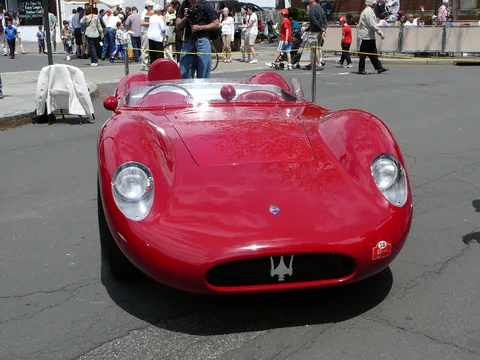
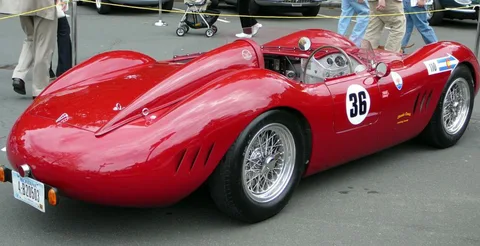
Maserati 8CM
ბოლონიის ქარხანაში 1933-დან 1935-მდე იწარმოებოდა, Maserati 8CM 8C-ს შემდეგ მოვიდა და „ტრაიდენტით“ შუა 30-ინწლების გრან-პრიში შევიდნენ.
საწყისი და დროთა ფონი
Maserati-მა 8CM გრან-პრიზე მაშინვე გამოიყვანა, 8C-ს პროგრამის უკანასკნელი რეისი რომ დასრულდა. ბოლონიას სახელოსნოს კუთხეში აწყობილი მანქანა უნდა დაეწია კი კი უფრო სწრაფ Alfa Romeo-ებსა და ახალგაზრდა გერმანულ Silver Arrow-ებს.
დიზაინი და ტექნიკა
3.85 მ სიგრძით, 8CM კომპაქტური, მიზნობრივი და შესამჩნევად თავისი დროის რეგლამენტით აგებულია. სრული ძალიან მეტი არ დარჩა: წრთვნილი რვაცილინდრიანი და უკანა კოლოფი ტრმიდული Maserati რეცეპტია — მსუბუქი, მაღალბრუნვა.
ტრასა
უკანასკნელი ორი სეზონი შეთხელებით მორბენლო შეჯიბრები გაიარა — ტერმინალებში ძირითადად კერძოსტებმა და ქარხნის ეკიპაჟებმა. სამართალი არ დაეუფლა, თუმცა საპოდიუმო ადგილებმა Maserati-ს დამოუკიდებელი ბრძოლის სტატუსი უფრთხილა ვერცერთ გერმანულ ქარხანას.
English version
Built in Bologna from 1933 to 1935, the Maserati 8CM succeeded the 8C and carried the Trident racing program into the mid-1930s Grand Prix era.
Origins & context
Maserati brought the 8CM to the Grand Prix grid immediately after the 8C program. Produced at the company’s Bologna works, the car had to keep pace with the ever faster Alfa Romeos and the emerging German Silver Arrows.
Design & specifications
Measuring 3.85 metres nose-to-tail, the 8CM was compact, purposeful, and clearly designed around the racing rulebooks of its time. Details beyond overall length are scarce, yet the car’s straight-eight layout and rear-mounted gearbox followed the proven Maserati formula of light weight and high revs.
Racing life
Run by privateers and the works team alike, the 8CM competed across Europe for two seasons against the era’s best. While never dominant, the model delivered valuable podium finishes and cemented Maserati’s reputation as an independent contender in the face of better-financed German factories.