Maserati 200S
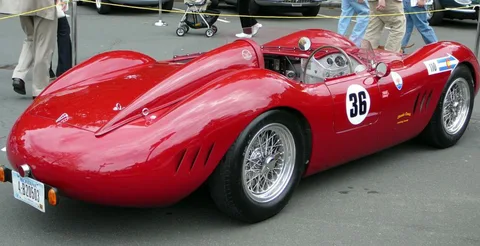
მოდენას ომის შემდგომი საათების შემოსახაზე, Maserati 200S A6GCS-მა გადაიბადა და ორ ლიტრიან სირბილობად, Ferrari-ის ოთხბოლტიან ბატლანებს გამართულად, რასი მოხაზა. აშკარა იყო − გარღმნის ვიბრაცია მხოლოდ ასფალტზე ამოჩნდებოდა, რადგან მთელი წარმოება 28 ექსკლუზიურ მანქანამდე შევიდა.
რასის გენი
1952-ში Vittorio Bellentani-მა დაიწყო Tipo 52-ის კოდით. მიზანი გარდა არც იყო რაინდული: გამბედალი პასუხი Ferrari 500 Mondial-სა და მის პაცხლსაშიშ ოთხბოლტიანს. 150S-ის ჩასხმა ჩარჩოსა და A6-ის უკანა წების გადაბარება პერიოდი იოლად გააყუჩა.
დიზაინი და ინჟინერია
მილისთვის - ტიუბი ჩარჩო, სხეული 3900 мм სიგრძეში და თხელი 980 მმ დაბლა სიმაღლეში – წინააღმდეგობის ზოლი მინიმალურია. გულში 1994 კბ ორ ლიტრიანი ხოლოგრამული ალმალი-ალუმინიუმიანი ოთხბოლტიანი, ჩააგე DOHCები და ორმაგი Weber კარბი, 190 ცხენი 7500-ზე, 50DCO3 ან 45DCO3-სთვის.
სიმცირე ცისფერთხელი
Viale Ciro Menotti-ს ქარხნიდან მხოლოდ 28 ცალი გაირბოლა. ერთ-ერთი მათგანი მოგვიანებით 250 S-ის პროტოტიპი გახდა, ზუსტად 2.5-ლატრიანი გულით. დღევანდელი სტანდარტით, იმ ათწლეულის Maserati-ს სპორტ-დასისხენიანი ამოსვლა ორ ხელზე ითვლება.
ტრეკის ტანდემი
1950-იანი წლების შუა პერიოდში, ევროპის სპორტკარბრიან ოფვალხანებში, ეს მცირე მოცულობის Maserati-ები დიდ ავტომობილებთან ერთად თამაშობდნენ – მარტივი იდეით: მსუბუქი ძალა უფრო ძვირია, ვიდრე ნედლი ტორდი. მოდენას ქუჩებში Ferrari-თან შედარებები დღემდე ცხელა.
English version
Born in Modena’s post-war workshops, the Maserati 200S evolved from the A6GCS into a focused 2.0-litre sports-racer aimed squarely at Ferrari’s four-cylinder specials. From the outset it was clear only the circuits would judge it—production never exceeded a run of 28 bespoke machines.
Race-bred Roots
Development began in 1952 under engineer Vittorio Bellentani, codenamed Tipo 52. The 200S was conceived as a direct counter to Ferrari’s 500 Mondial and its lightweight four, and to shorten the gestation period Maserati reused much of the 150S chassis while re-casting the rear axle from the A6 lineage.
Design & Engineering
The tubular chassis sits within compact bodywork measuring 3900 mm long and just 980 mm tall for minimal frontal area. At its heart was a 1 994 cc light-alloy inline-four with twin overhead-camshafts and dual Weber carburettors, developing 190 PS at a screaming 7 500 rpm, fed through either 50DCO3 or 45DCO3 units.
Production Rarity
Only 28 examples rolled out of the Viale Ciro Menotti plant. One of these later evolved as the 250 S prototype, bringing barely modified 2.5-litre power. By modern standards, the entire marque’s sports-racing output for the decade can be counted on two hands.
Track Legacy
Campaigning in European sports-car events through the mid-1950s, the fast-revving four-cylinder Maseratis mixed it with larger-capacity machinery, showing the worth of lightness over sheer grunt and ensuring Modena yardstick comparisons against Ferrari remained vivid long after production ceased.