Maserati 4CLT
ასწრაფეს, როგორც კი 4CL 1939 წელს პირველად დააბეჭდეს, Maserati 4CLT 1948-ში შემოვიდა — გამხდარი, ორდგილიანი კომპრესორით აჭერილი ვერსია, რომელიც პირდაპირ Alfa Romeo-ებსა და ERA-ებს დაესხა თავს. მასიური კერძო გუნდების ნომერ პირველ იარაღად იქცა, სანამ 1950-ის ახალი ფორ�მულა ერთის ჩემპიონატი დაიწყებოდა.
როგორ ჩაიწერეს ისტორიაში
Maserati-მ 4CL-ის ბორბლების ჩარჩო გადააკეთა — ორ-მილის ჩარჩოდ გამოცვალა, სხეული შეამსუბუქა და ორთავიანი Roots-ტიპის კომპრესორი შემოაგდო პირდაპირ ოთხცილინდროზე. 1949-51 სეზონებში წვრილად სიგნალებიანი ნობების სერია შეიცვალა, რითაც 4CLT/50 სპეციფიკაცია დაიბადა ფორმულა ერთის ახალი წესების საპასუხოდ.
ძრავა და მოქმედება
4CL-ის ინ-ლაინ ოთხი ჯერ გაახლეს, შემდეგ ორმაგი კომპრესორი 1945 წლის ომის დროინდელი ექსპერიმენტებიდან მაქეთ მოარგეს. სიმძლავრე ტიპიურ შედეგებში 200-260 hp იძგერდა — საკმარისად, რომ ყველა წინაომიანი კონკურენტი აჯობა როგორც ძალიან, ასევე საიმედობაში.
ტრასა და ნათება
1948-დან 1951-მდე 4CLT-ებმა ევროპულ გრან-პრებში გაიმარჯვეს, პოდიუმებიც გადაასვარეს და პირველი ორი ფორმულა ერთის სეზონი სრულიად კერძო შემოსვლებით გაავსეს. მაგიდებზე იდგა შედარებით პატარა გუნდების შედეგები, მაშინ როცა ქარხნები იმავე დღეებში უკვე ახალ მანქანებს აპირებდნენ.
შედის 4CLT/50 — ბოლომდე განსწორებული
1950 ბოლოს წარმოდგენილი 4CLT/50 იღებდა კოილ-პრინგი საკიდებს, კიდევ უფრო მსუბუქ ჩარჩოს და De Dion უკანა ხერხემალს. ეს ნოდები მის კონკურენტულ ცხოვრებას რამდენიმო რბოლით გააგრძელა, სანამ Maserati ფულსა და ინჟინრებს A6GCM-ისკენ არ გადაისროლა.
English version
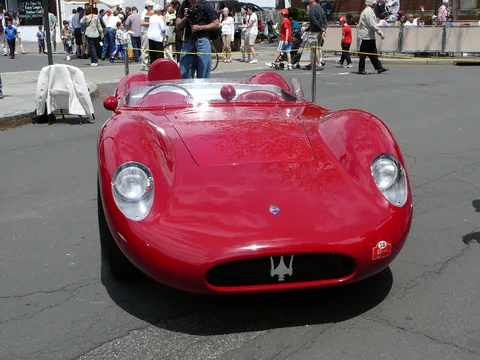
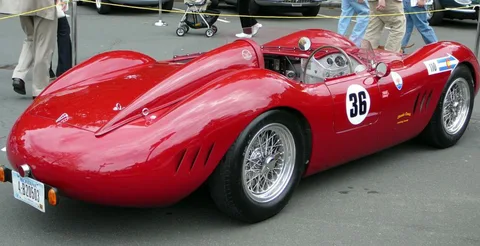
Designed shortly after the 4CL’s 1939 debut, the Maserati 4CLT emerged in 1948 as a lighter, two-stage-supercharged evolution aimed directly at Alfa Romeos and ERAs then dominating voiturette grids. It quickly became the default choice for privateer teams until the 1950 Formula One World Championship.
Development
Maserati revised the 4CL’s ladder frame into a two-tube chassis with a lighter body, then added the CLT’s twin-stage Roots-type supercharging to the straight-four. Continuous tweaks over the next two seasons produced the 4CLT/50 specification to meet brand-new Formula One regulations.
Engine & performance
The 4CL’s inline-four was expanded and re-blowered from early 1945 experiments to deliver substantially more power under the new two-stage supercharger layout. Exact power figures vary by state of tune, but contemporary race notes place the CLT ahead of most pre-war designs on both output and reliability.
Racing record & impact
Between 1948 and 1951 the 4CLT secured victories and podiums in European Grands Prix and is remembered for fields stuffed with privately entered cars. It formed the backbone of the first two Formula One seasons, giving small teams front-running machinery while factory giants debuted their next-generation cars.
The 4CLT/50 final form
The late-1950-spec 4CLT/50 lobbed in revised coil-spring suspension, a still lighter chassis, and De Dion rear axle. These updates extended its competitive life just long enough to battle early Formula One factory entrants before Maserati shifted work to the A6GCM.