Maserati 300S
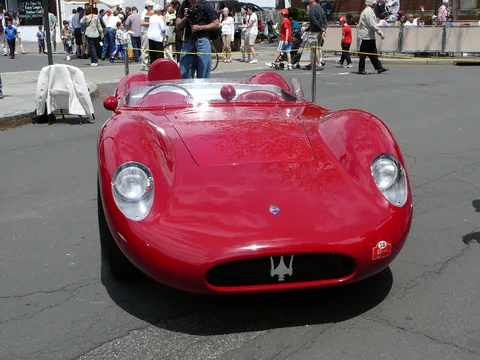
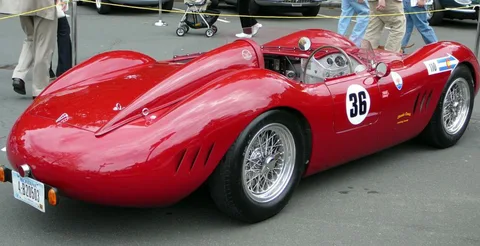
1955-1958 წლებში, მოდენიდან მხოლოდ ოციექვი ცალი Maserati 300S ცეცხლის წითელ მანქანას გამოუშვეს — თითოეული იმისთვის, რომ светის ჩემპიონატში Mercedes-სა და Ferrari-ს დომინაცია შეეფერხებინა. ეს პირდაპირექვი შესიძლო ექვსცილინდრიანი ძრავა 1950-იანების წინამდებარე ძრავიანი სპორტული მანქანების სიის ყველაზე ტყაპუჭისდადებადაა დღესაც.
კონსტრუქცია
300S-ის 3.0-ლიტრიანი პირდაპირი ექვსი ცილი 250F-ის გრანპრიანი საიდან მოხვდა, მაგრამ ახლა უფრო მსუბუქ ჩონჩხში ჩაიდო: კვება შუბის ფორმის, De Dion-ის უკანა სასხვალე და ხუთსიხვნიანი შერჩევადი გადაცემათა კოლოფი. ალუმინის სხეული და მინიმალური აღჭურვილობა მშრალ წონას 780 კგ-თან ახლოს ასრიალებდა.
წარმატებები ტრასაზე
მხოლოდ 26 მანქანის მიუხედავად, 300S-მა დიდი რბოლები დაიპოვა: 1956-ში Buenos Aires-ის 1-2 ფინიში, Nürburgring 1000-კმ-ის გამარჯვება და Sebring-სა ოც Targa Florio-ში კლასის პირველობა. დისკების გადახურება და Ferrari-ს-თან თავისთავადი ბრძოლა საჩემპიონო ტიტულს ხელიდან აძვრა, მაგრამ კერძო გუნდები 300S-ს 1961-მდე კონკურენტულად ათამაშებდნენ.
მემკვიდრეობა
დაგროვებული 300S-ები დღეს აუქციონებზე 10 მილიონ დოლარს აჭარბებენ — რადგან ისინი უცვლელი Maserati ძრავებითა და Fantuzzi-ს გამონახული სხეულით არიან შემორჩენილი. ეს მოდელი Maserati-ს ორმაგი საჭიროების კონსტრუქტორად აჩვენებს, ათწლეულით ადრე, ვიდრე პირველი ცენტრ-ძრავიანი Tipo 60 „Birdcage“ გამოჩნდებოდა.
English version
Twenty-six Maserati 300S sports-racers left the Modena works between 1955 and 1958, each one built to claw back ground from the dominant Mercedes and Ferrari squads in the World Sportscar Championship. This straight-six evolution of the 250S remains one of the most coveted front-engine competition cars of the 1950s.
Development
The 300S used a thoroughly revised 3.0-litre inline-six derived from Maserati’s 250F Grand Prix engine, now mounted in a lighter tubular chassis with De Dion rear suspension and a five-speed transaxle for better balance. A lightweight 1950s racing diet of aluminum bodywork and minimal trim kept dry weight near 780 kg.
Racing pedigree
Even with just 26 cars, the 300S racked up major sports-car wins: 1-2 finishes at Buenos Aires (1956) and the Nürburgring 1000 km (1956) plus class honors at Sebring and the Targa Florio. Persistent brake fade and fierce factory opposition limited championship success, but privateer teams kept the model competitive into 1961.
Legacy
Collectors prize surviving 300S cars for their original Maserati matching-numbers powertrains and Fantuzzi-penned coachwork. Auction values now exceed $10 million, reflecting both mechanical authenticity and the soundtrack of its triple-carb six. The model established Maserati as a credible dual-purpose constructor a decade before the first mid-engine Tipo 60 Birdcage.