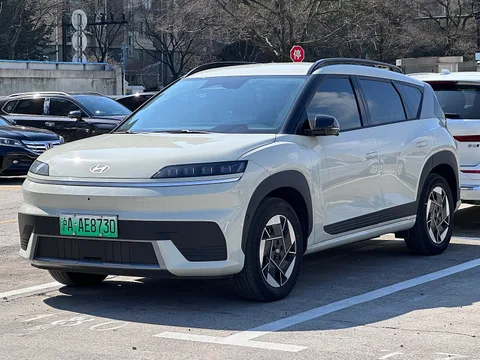
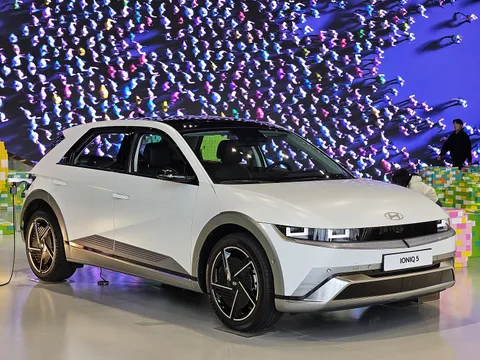
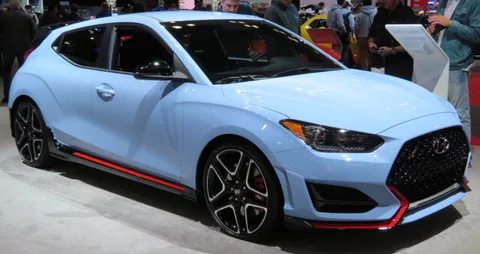
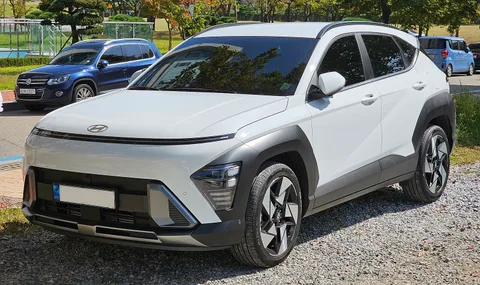
Hyundai i30
2006 წელს Hyundai-მა ევროპის ბაზარზე ინგოლშტადტის ზურგჩანთასავით გამოიტანა i30 — კომპაქტური ჰეჩბექი, რომელიც პირდაპირ Golf-სა და Focus-ს დაუპირისპირდა და ბრენდის მკაფიო გაცხადება იყო: „ბიუჯეტი აღარ ვართ“.
საიდან და რის დასამარცი
Hyundai-ს ევროპულმა დიზაინ-ცენტრმა რუსელსჰაიმში შექმნილმა i30-მ უთხრა ბუეტს Avante/Elantra-ს წყალობით და გულწრფელად იმუშავა იმაზე, რომ ტიპიური გერმანელი მძღოლის მოთხოვნები გაეხდა — Golf-ისას მიახლოებული ადგილი, დინამიკა და აწეული ხარისხი, მაგრამ უკეთესი ფასით. მომენტიდან დიზაინიც შეიცვალა: საბოლოოდ წინ „კორეული“ მაჩვენა, არა საბჭოთა ბიუჯეტის დაბეჭდილი ფორმა.
ხაზი და სხეულები
განსხვავებული თაობები თანდათან expand-და: თავდაპირველი 5-კარიანი ჰეჩბექის შემდეგ 2012-ში ჩაეტიო 3-კარიანი, ბოლო კი დაემატა universalა და 2017-იდან 5-კარიანი liftback. დიზაინი სულ მთელი პარასტქა smoother კუთხეებით გადაირჩა, უფრო aerodynamic ზედაპირებით და თითო ნაბიჯზე გაიზარდა wheelbase, რითაც კაბინაში ადგილიც გაიზარდა.
თაობებს შორის
ანგარიშზე 2006–დღემდე თაობები თხემაა გაირჯებით ექვსი წელიწადის ინტერვალით განახლებულა. ძრავები სამ petrol, ორი diesel-ით რჩება, ხოლო მექანიკური ან ავტომატური გადამცემი შეუერთებული Hyundai-Kia-ს საერთ K2 კომპაქტ პლატფორმაზე, Kia Ceed-თან ერთად კუზისაც მოარული.
English version
Hyundai’s first truly global compact hatch, the i30 arrived in 2006 to challenge European stalwarts like the Golf and Focus, signalling the brand’s pivot from budget to mainstream.
Origins and Positioning
Launched to replace the Hyundai Avante (Elantra) in many markets, the i30 was conceived by Hyundai’s European R&D centre in Rüsselsheim, Germany, specifically to meet European tastes and quality expectations. From the outset its brief was clear: deliver Golf-like space and dynamics at a sharper price point while wearing a design language that finally looked Korean rather than 'generic budget'.
Design and Bodystyles
Over its successive generations the model line expanded beyond the original five-door hatch to include a three-door variant (2012–2017), an estate, and from 2017 a five-door liftback. Each iteration toned down Hyundai’s earlier curves in favour of crisper, more aerodynamic surfaces and proportionally longer wheelbases to eke out extra cabin space.
Generations and Updates
While the source does not break 2006–present into named generations, Hyundai has refreshed or fully re-engineered the i30 at roughly six-year intervals, each time migrating the powertrain palette: three petrol and two diesel engines paired with either manual or automatic transmissions, all riding on the shared Hyundai-Kia K2 compact platform that underpins the Kia Ceed sibling.