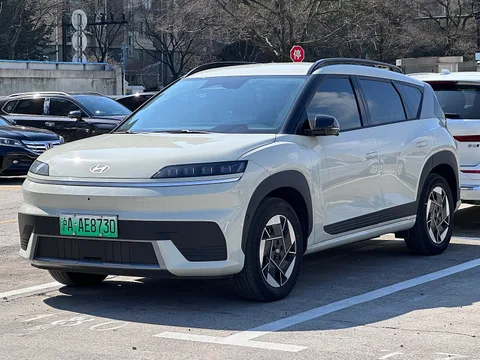
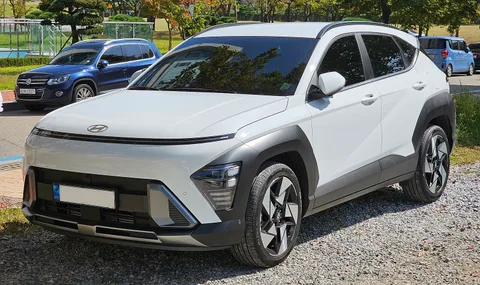
Hyundai Aslan
هيونداიში კიდევ ერთი ექსპერიმენტი – Aslan (2014–2017) – გამისლა Genesis-სა და Grandeur-ს შორის დაუკავშირებელი სიტყვები, მაგრამ ვისარგებლეთ: Dynasty დაესრულებინა, მაგრამ თავით არ წაბრდღვნილიყო.
სად იდგა ბაზარზე
Hyundai Aslan შექმნეს იმ ვიწრო ნალექისთვის, სადაც Grandeur-ის სიდიდე ფასდება Genesis-ის „პრემიუმის“ გარეშე. ტიპური ფრონტდრაივ ექსეკუტივი, საკუთარი ყველა სტატუსი – Dynasty-ის ნიშა შინდაც შეანაცვლა.
დიზაინი და კონსტრუქცია
ფორმა წინა მოძრაობისა, ჩახმახი კი Genesis-ისეული – სულა ირიბად. ფელუ ვაგზას Y6-დანა, სიგრძე 4.97 მ, სიგანე 1.86 მ, წონა 1.69 ტ. ხუთი ადგილი ფრთხილად აწვა ფუფუნების ზომებით.
სად მოვიდა სახელი
Turkish „aslan“ – ლომი. სახელი მოუჭირეს 2014-დან 2017-მდე ერთი ციკლი, შემდეგ კი უჩუმრად გადაიდით – მოდელი გაცილებულია და ასლი არ აქვს.
English version
Slotting between the Grandeur and Genesis, the Hyundai Aslan (2014–2017) was Hyundai's short-lived stab at bridging Korean luxury and value. With Genesis-level styling on Grandeur bones, it quietly replaced the departed Dynasty.
Market Position
Hyundai conceived the Aslan to occupy a slim middle ground: slightly larger than the Grandeur yet more attainable than the rear-drive Genesis. It effectively claimed the space vacated by the Dynasty, offering customers a front-drive executive car with near-flagship presence but without the full premium cost.
Design & Engineering
Although its proportioned silhouette and cabin cues mimic the rear-drive Genesis, the Aslan rides on the same front-wheel-drive Y6 platform as the Grandeur. At 4 970 mm long and 1 860 mm wide, it carries almost 1 700 kg of mass, delivering a spacious five-seat layout cushioned beneath Genesis-inspired styling flourishes.
Origin of the Name
Marketing chose the Turkish word for lion, "aslan," aiming to project power and prestige. The name stuck for the single three-year production cycle from 2014 to 2017, after which the model quietly exited with no direct successor.