Cadillac XLR
2003-იდან 2009-მდე Cadillac-ის ორადგილიანი ფლაგმანი ჰარდტოპ-როუდსტერი ჩაანაცვლა ქსანავშნიანმა Allanté-ს ადგილი დაიკავა — გლუვად ქუსლებული მეტალის სახურავი ქუდივით იკეცებოდა, იმ პრემიუმ-ჰალსტუხოსან სპორტ-კაბრიოლეტებს შორის ადგილი ჰქონდა.
სათავე და მიზანი
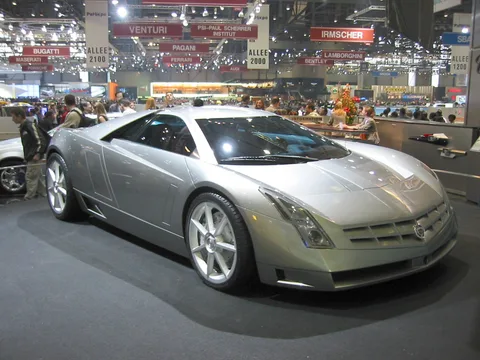
Cadillac-მა XLR 2003-ის დეტროიტის საავტოშოუზე წარადგინა — ეს იყო ბრენდის თანამედროვე ინტელექტუალური „ქუფერი“. დიზაინი 1999-ის Evoq კონცეპტიდან პირდაპირ გადმოჰყვა, სიგნალი, რომ კადილაკი დინამიურ ფლაგმანებსაც ეშინოს.
კუზოვი და პროპორციები
ძვალ-კვერცხი არის GM-ის უკანა-მავალი Y-პლატფორმა: სიგრძე 4.5 მ, სიგანე 1.84 მ, სიმაღლე 1.28 მ, ვაგონი 1 740 კგ. ალუმინის სახურავი 30 წამში დაიკეცება და ბარგ–ნიშა უკან იშრიტება — ქსანავშნიანი როუდსტერის ფუფუნება აი, მაგაზე ჩაუჯდა Cadillac-ს.
ბოლო ჟორის შემდეგ
2009 მოდელური წლით მოუღია კუთხე — პირდაპირი შემცვლელი არ გამოუშვეს. ერთეული XLR დღესაც Cadillac-ის ერთადერთი მასობრივი ორადგილიანი ჰარდტოპ-როუდსტერია და, როგორც ჩანს, დიდხანს ასე დაიმახს.
English version
From 2003 to 2009, Cadillac’s flagship two-seat roadster replaced the soft-top Allanté with a power-retractable hardtop, staking a bold claim in the premium sports-convertible segment.
Origin and Purpose
Cadillac unveiled the XLR at the 2003 North American International Auto Show to serve as a high-tech halo model. Its styling came straight from the 1999 Evoq concept, signaling the brand’s push into performance-oriented luxury.
Exterior Dimensions
Built on GM’s rear-wheel-drive Y-platform, the XLR measures 4.5 m long, 1.84 m wide and 1.28 m tall, with a curb weight of 1 740 kg. When the aluminum hardtop stores itself in the trunk, owners gain open-air driving without the traditional fabric compromise.
End of the Road
Production wrapped after the 2009 model year, leaving Cadillac without a direct successor. The single-generation XLR remains the marque’s only mass-produced two-seat roadster with a retractable hardtop.