GAZelle
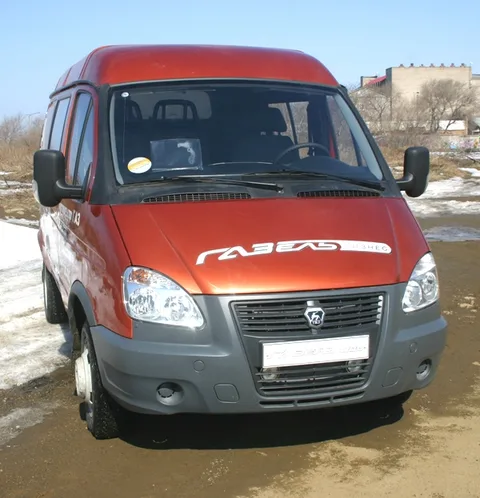
წამოგზავნილი 90-იანების არეულ დროში, GAZelle იყო რუსეთის პირველი გამოწვევა Ford Transit-ისა და VW T4-ის ვაგონკლას გვერდით. თბილისელ დილიჟანსაც კი არ გამორჩა ეს „მაღალი ქილა“. Gorkovsky Avtomobilny Zavod-მ გააკეთა ის — და ათწლეულების განმავლობაში ბრენდის ყველაზე გაყიდვადი ნამუშევარი იყო.
სად შეიბადა და რატომ
With the Soviet Union dissolved and the Riga Autobus Factory now outside Russia’s borders, GAZ saw local demand for a rugged yet car-like light van. Development began almost immediately, using existing passenger-car components to keep costs low and production simple. The resulting vehicle—the GAZelle—went on sale in the mid-1990s, coinciding with Russia’s shift to a market economy and filling a critical gap in commercial transport.
შემიმუშავება და ფორმანი
ზუსტი ზომები: 5.5 მ სიგრძე, 1.97 მ სიგანე და 2.2 მ სიმაღლე. ხუთი სხვადასხვა კარosserie გრძელდებოდა — ტვირთის ფაქრა, საცხოვრებელი კაპოტიანი ფურგონი, ორმხრივი პლატფორმა თუ 8–11 ადგილიანი მიკროატიეს. პირველადი შემთხვევები Volga-ს მარკით ნაცნობ პლასტმასსა და ZMZ ძრავებს იზიარებდნენ. შემდგომ თაობებში მექანიკა უფრო ძველით ახალთან გამიჯნეს, მაგრამ ფარდულად დასაწყობად საწვავის ნაკადები და ძრავის ზონირება ისევ მარტივად რჩება სადგურის დაბადებიდან ათას კილომეტრზე.
თაობები და სიამოკი
The original GAZelle line remained largely intact throughout the 2000s, with incremental updates to engines and chassis until 2010. In the 2010s GAZ introduced the lighter Sobol derivative and, ultimately, the thoroughly redesigned GAZelle NEXT, phasing out the classic model as mainstream production moved forward.
გაყიდვები და კულტურაში ადგილი
GAZelle + Sobol ერთად იმდენი იყიდებოდა, რომ ბაზრის ნახევარზე მეტს იჭერდა რუსეთში და მიმდებარე CIS-შიც. მისივე შეფერილი იერი დღესაც ერთადერთი ბრჭყალია, როცა რუსულ „ლიფტების“ ბიჭები „გაზელკა“-ს იძახიან ნებისმიერ მიკროავტობუსზე — მერამდენე თაობია უკვე ამ ზედმეტსახელში, და ერთი არავინ შეცვლის ენას. ის კი ნამდვილად პატარა ბიზნესის პირველი სარდალი დარჩა.
English version
Launched in the turbulence of the early 1990s, the GAZelle was Russia’s first home-grown answer to the Ford Transit and VW T4 light-commercial class. Built by Gorkovsky Avtomobilny Zavod (GAZ), it quickly dominated Russian roads, remaining the brand’s top-selling product for decades.
Origins and Market Need
With the Soviet Union dissolved and the Riga Autobus Factory now outside Russia’s borders, GAZ saw local demand for a rugged yet car-like light van. Development began almost immediately, using existing passenger-car components to keep costs low and production simple. The resulting vehicle—the GAZelle—went on sale in the mid-1990s, coinciding with Russia’s shift to a market economy and filling a critical gap in commercial transport.
Design & Engineering
Measuring 5.5 m long, 1.97 m wide and 2.2 m high, the GAZelle offered multiple body styles: cargo van, box truck, flatbed pickup, and 8–11-seat minibus. Early examples shared their grille and powertrain with the GAZ Volga, while later units adopted independent drivetrains. Shared parts philosophy and mechanical simplicity made repair straightforward in regions with limited service networks.
Generations & Successor
The original GAZelle line remained largely intact throughout the 2000s, with incremental updates to engines and chassis until 2010. In the 2010s GAZ introduced the lighter Sobol derivative and, ultimately, the thoroughly redesigned GAZelle NEXT, phasing out the classic model as mainstream production moved forward.
Sales & Cultural Impact
Combined GAZelle and Sobol volumes consistently accounted for the majority of Russian light commercial vehicle sales and secured strong footholds across the CIS. Ubiquitous on city streets and rural routes alike, the van became the default small-business workhorse—so common that “GAZelle” is now colloquially used for any Russian minibus.