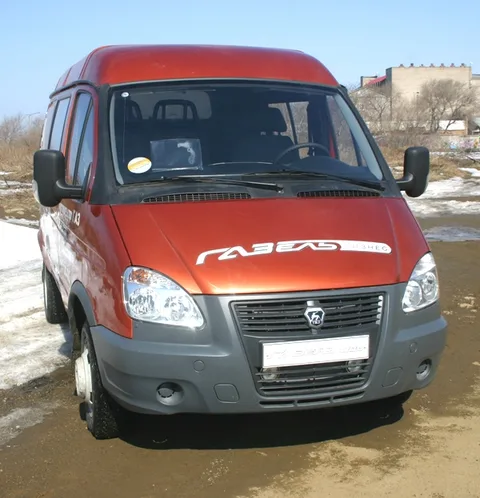
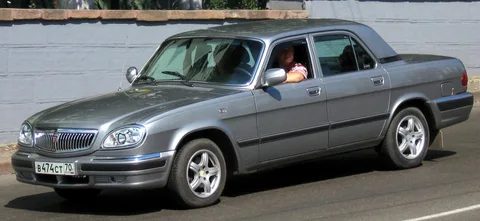
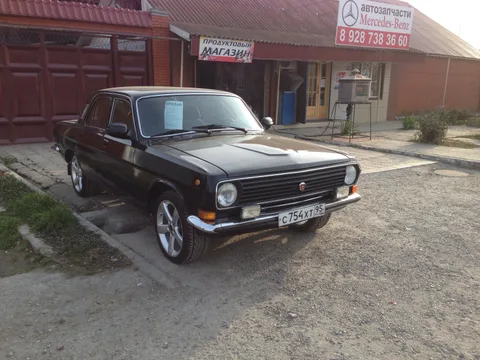
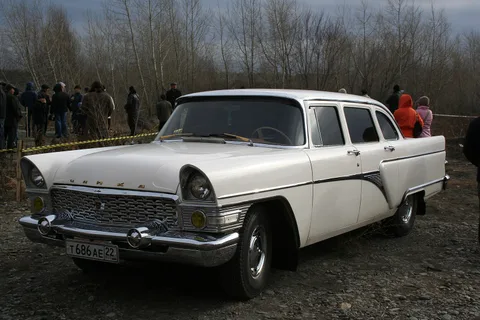
GAZ-M72
50-იანი წლების ამბავია: გორკის ავტოქარხნიდან (GAZ) გამოვიდა GAZ-M72 — პირველი საბჭოთა მასობრივი ოთხწრიანი სედანი, რომელმაც მშვიდად და დაბლურად, მაგრამ მტკიცედ დაადგინჯა თავი დროში და SUVs-ის წინარე ტალღას ჩაუყარა საფუძველი.
სად გაჩნდა
GAZ-ის ინჟინრებმა M72 მიიღეს ჩვეულებრივ Pobeda-ს (GAZ-M20) კაროსელზე, მაგრამ ქვეშ განათავსეს წინააღმდეგობიანი 4×4 სისტემა შაბლონიდან — წინა GAZ-61-ის ტრანსმისია. შედეგად წარმოქმნეს მოქალაქეთა სედანი, რომელიც ათწლეულებით ადრე მოჩანდა SUV-ის კონტექსტში. ყველა მანქანა გორკის ხაზზე შეკრებეს — და სამათალსა, და რაიონულ სანიტარებს ჯობდათ. დიდი რაოდენობა არ გამოუვიდათ, თუმცა პრიალა პრესტიჟი კი შექმნეს.
შეხედულება და ზომები
Pobeda-ს მსგავსია თითქმის ყველა ხაზით — გარდა უფრო მაღალი კლირენსისა და ევidentური ზოლებისა. სიგრძით 4665 მმ, სიგანით 1695 მმ, სიმაღლით 1790 მმ — 50-იანისთვის მასიური ზომები. 1615 კგ չի ჩხახნავს სიფრთხილით — მხოლოდ 10 % ნაკლებია ორიკარიანი და-ძმისგან.
ტექნიკა რადგან იცი
ძრავა 2,1-ლიტრიანი ოთხცილინდრიანი ბენზინორი — თროტლ-რესპონსი აქეთ არ იტვირთება, მაგრამ მყარია. სამიზნული სამი წინა სიჩქარით, ზევით კი ოროვანი ტრანსფერის ქოლგა მუდმივად აბაწირს ყველა ბორბალზე. ნახრებიანი ძალის ცენტრის ფორთები, ფურჯელები — ხახა დაუბერტყან მიწას, მაგრამ დრამ-ულ გაუბანლიზაციაზე ბევრი არ იფიქრებდა.
როგორ დარჩა ისტორიაში
შეიკრა მხოლოდ 4 731 M72 — დრომ მას თითქმის მოჩვენებად აქცია. ამ მცირერიცხვიან ნაკრებს საბჭოთა კავშირი აქიდან გაიცნო ოთხწრიანი მოქალაქეთა მანქანის არსებაში, იქამდე სანამ 1971-ში VAZ-Niva ჩამოვიდა. დღეს M72 კოლექციონერების საყვარელია — ხუროები გიყვარს, თუ უბრალოდ იზიდავ საბჭოთა ინჟინერიის უფრო ჯადოსნურ კუთხეებს. ითვლება, როგორც PC-სა და ოფის სედანებს შორის დაკარგული ხიდი, რომელმაც მილიტარიზმის GAZ-61 და თანამედროვე რუსულ SUV-ები დააკავშირა.
English version
The GAZ-M72, introduced in the 1950s by the Gorky Automobile Plant, quietly carved its place in Soviet automotive history as one of the world’s earliest mass-produced passenger cars with full-time four-wheel drive, setting the stage for later Soviet crossovers.
Origins
GAZ launched the M72 as an off-road-capable evolution of the passenger-focused GAZ-M20 Pobeda. It inherited the Pobeda’s monocoque structure but grafted on the drivetrain of the previous GAZ-61, creating a civilian 4×4 saloon years before the term "SUV" existed. All production took place at the Gorky plant during the mid-1950s, with very limited volumes demanded mainly by state forestry and rural medical services.
Design & Dimensions
Visually, the M72 differed little from the contemporary Pobeda beyond higher ground clearance and pronounced running boards. The car measured 4665 mm long, 1695 mm wide, and 1790 mm tall—substantial for its era—and carried a curb mass of 1615 kg, roughly 10 % more than its two-wheel-drive sibling.
Mechanical Layout
Power came from a 2.1-litre inline-four gasoline engine driving through a three-speed manual gearbox, with a two-speed transfer box routing torque to both axles permanently—an unusual feature for 1950s passenger cars. Leaf-sprung live axles and drum brakes all round gave the M72 genuine rough-road competence, albeit modest by later 4×4 standards.
Legacy
Only 4,731 examples were built before production ceased, yet the M72 established GAZ’s expertise in four-wheel-drive passenger vehicles and remained the USSR’s sole civilian 4×4 saloon until the arrival of the VAZ-Niva in 1971. Surviving cars are now prized by Soviet-era collectors for their rarity and historical significance as the missing link between pre-war military GAZ-61s and modern Russian SUVs.