GAZ-12 ZIM
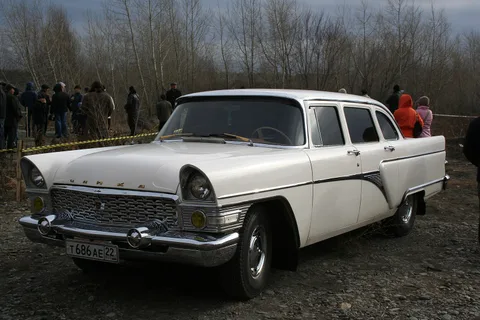
1950–1960 წლებში გორკის ავტოქარხანამ საიდუმლო ზედა რანჟისთვის შექმნა პირველი თვითმმართველი საბჭოთა სედანი — GAZ-12 ZIM. იგი გორჯეტულად ეკანტა დერეფანს M1-ისა და შემდგომი „ჩაიკას“ შორის და იმდენი გრობიანის და ქრომის საშუალებითაც ყოჩაღად აცხადებდა მოპოლითე ჩინებულობას.
ფორმა და მექანიკა
5,53 მ სიგრძე, 1,90 მ სიმაღლე და 1,66 მ სიმაღლე — ამას 1,8 ტონა ბანაკი ერთვის. სხვადასხვა ბასრ არმირებულ გზაზეც უნდა გაევლოს, ამიტომ ZIM-ი დამოუკიდებელ შასისზე ისხდა, რაც ვენიელ ს Turen-ზე უფრო უცოდველი იყო. მომრგვალებული ბამპერები, მრავალფეროვნად გლის-ქრომის და შოკოლადიანი ფარდულები რაიონს სონადა აშინტივირდა და თანაც წითელი კრასნავას მოვლენით სტალიარებსაც არ ჰპირდებოდა.
ტიპები და ლიფტები
ყველა GAZ-12 ერთი ფორმულით, უნრგეძლივად სედანი, შექმნილა. ამბულანსექსები რამდენიმე „ფაეტონი“ ბოჭორიშვილის მასტერთა სახელოსნომ დაამზადა, მაგრამ არც ერთი „ფრესჰნი“ არ გამოჩენილა — მხოლოდ პატარა კვეთები: სახელურები, სარეზერვო თვლარის ხიდი, მინი ბეჯეჯი.
რისკვორტი
ამასამდის 1959–60 წლებში რომ ჩაიკა (GAZ-13) მოვიდა, ZIM-ი მალევე ხელის სამთავრება გამოძვრა. დარჩნები ახლა რუსკა გაძვირდნენ კლასიკური შეხვედრებისთვის — მექანიკური სიმარტივის გამო და როგორც USSR-ის პირველი ნაადრევი ხვერი ბიზნეს-სედანი.
English version
Produced from 1950 to 1960, the GAZ-12 ZIM was the first Soviet luxury sedan built expressly for senior officials and ceremonial duty, slotting between the wartime GAZ-M1 and later Chaika models. Its sheer size and chrome-laden presence marked a clear step up in prestige for the Gorky factory.
Design & Engineering
With an overall length of 5.53 m, width of 1.90 m and height of 1.66 m, the ZIM weighed 1.8 t yet rode on a separate chassis better suited to rough Soviet roads than most contemporary European limousines. Substantial wraparound bumpers, chromed grille and sweeping fenders echoed late-1940s American styling cues while remaining distinctly Russian.
Generations & Variants
All GAZ-12s were built to a single basic sedan specification, though ambulances and a handful of phaetons were converted by specialist coachbuilders. No facelifts appeared during the decade-long run; the only visible changes concerned trim details, spare-wheel placement and badging.
Legacy
Replaced in 1959–60 by the larger V8-powered Chaika (GAZ-13), the ZIM quickly became surplus to government fleets. Surviving cars are now sought-after at Russian classic meets, valued both for their relative mechanical simplicity and for their role as the USSR’s first home-grown executive saloon.