De Dion-Bouton Type Z
Type Z გააკეთა დიონ-ბუტონმა, პარიზში დაფუძნებულმა პიონერმა მწარმოებელმა, რომელიც პირველი სიუხვიანი რიგის მარკა იყო და ავტომობილის ხანა განსაზღვრა, დიდი ომის წინათ.
დიონ-ბუტონი ამბებში
თორმეტიანთ ბოლოს დიონ-ბუტონი უკვე ყველამ იცოდა — ერთცილინდრული საიმედო მოტორები ქარხნიდან თითქმის ყველა მწარმოებელთან მიდიოდა. ათიანებში კი მისი სრული მანქანები საფრანგეთს, ინგლისს, ამერიკებსა და იპონიამდე აღწევდნენ. Type Z-ის დამატება ასორტიმენტს კიდევ უფრო მრავალფეროვანს ხდიდა — ვოციურეტებიდან მომდგარ შორსმგზავრ იჯარის მანქანებამდე, ყველას შიზობდა.
თავად Type Z
არქიული პროსპექტები Type Z-ს დიონის კატალოგში ცალ-ცალკე მოდელად ჩამოთვლიან. ის C, D, E-ის პოპულარულ ერთცილინდრულ ჩორბლებზე მაღლა დგას, თუმცა O-სერიის მოგვიანო ჩემპიონებივით ბევრცილინდრო პირობებისგან ჯერ კიდევ შორს იყო. ძრავი, ბაზა, კარი არცერთი გამყიდველი ფისოთი არ გიზღვის — ეპოქის სტილია, შასის მერე სხვადასხვა კოლას ზონდირებდა ყველა თავისი სათბურის პარკრაღაბით.
რის შემდეგაც, და რამდენად
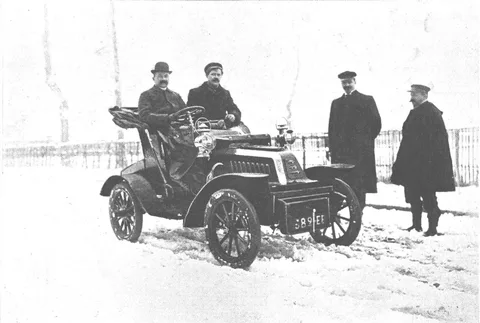
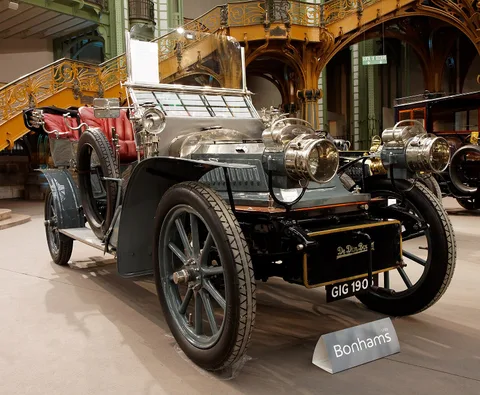
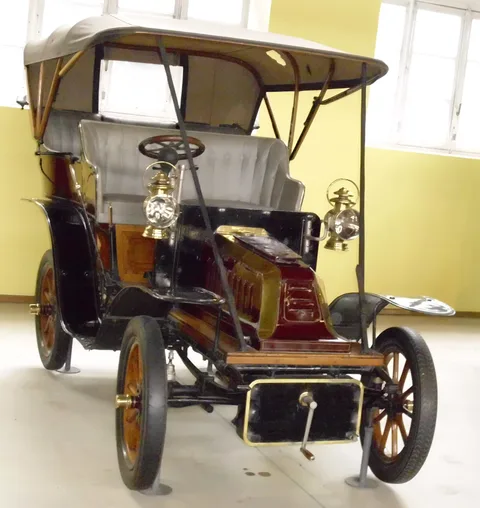
თვითონ წარმოება პირველი ომის უშუალო წინ შეწყდა. დღესდღეობით გადარჩენილი ცხადი ეგზემპლარები კერძო კოლექციებში ან მუზეუმებში იბრუნებენ თავს, ყველა დანარჩენი კი უბრალოდ შავ-თეთრ ფოტოზე რჩება.
English version
Type Z was a model built early in the 20th century by Paris-based pioneer De Dion-Bouton, one of the first mass-market marques that defined the motor age before the Great War.
Brand backdrop
De Dion-Bouton had already made its name in the 1890s with reliable single-cylinder engines used by dozens of other makers; by the 1900s its complete cars circulated from France to Britain, the Americas and Japan. Adding the Type Z to its catalogue widened choice in a range that typically ran from voiturettes to luxury tourers.
Type Z itself
Archival catalogs simply list the Type Z as a distinct automobile within De Dion-Bouton’s lineup, positioned above the ubiquitous single-cylinder Types C, D, E but without the multi-cylinder extravagance of the later O-series racers. Power, wheelbase and bodystyle combinations remained flexible, as was standard practice when chassis were sold separately to numerous coachbuilders.
Aftermath and rarity
Production apparently ended before World War I; surviving examples in private collections and museums are now exceedingly scarce, making the Type Z a milestone you’re more likely to see in period artwork than in metal.