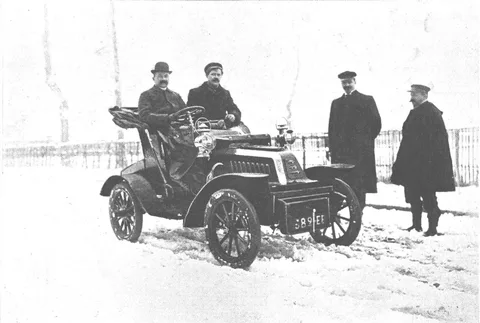
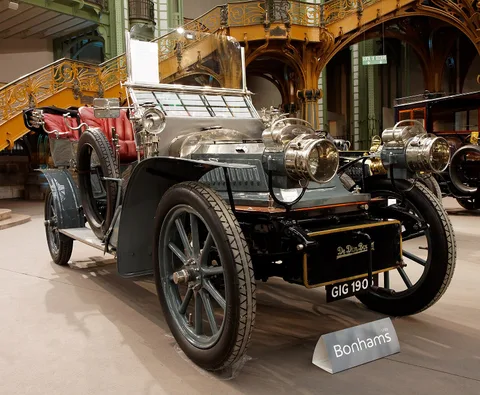
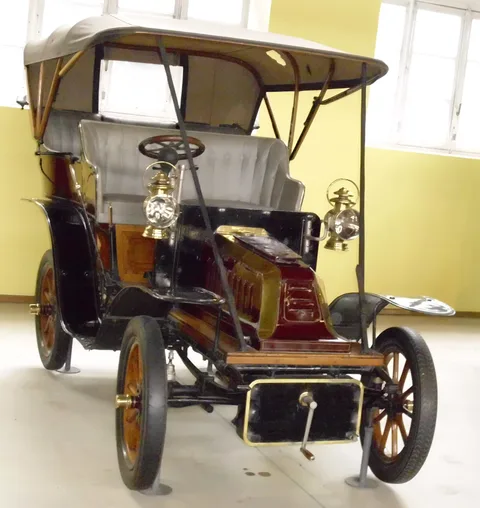
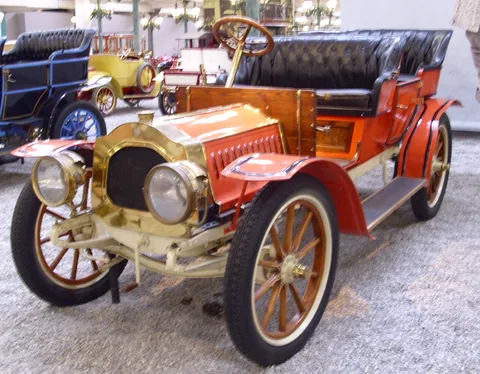
De Dion-Bouton Type S
De Dion-Bouton Type S არის ძველებური ფრანგული ფირმის ერთ-ერთი პირველი მცდელობა, როცა XIX-საუკუნის მიწურულს მათმა ექსპერიმენტებმა თანამედროვე ავტომობილის გზა დაგვანახა.
საწყისები
დეკოშეს დასასაწყისი 90-იანების ბოლო გახლავთ, რომელიც ბენზინის კარ�ურატორს გულზე იკიდებდა. Type S-ის ზუსტი თარიღი არაა ფიქსირებული, თუმცა 1900 წელთაღრიცხვამდე აწყობილი შასი და ძრავა მთლიანად განსაზღვრავდა წარმოების პირველ მგზავრებს — წინსავე კომპანიის ცნობილი ტრიციკლების შემდეგ.
ტექნიკური ნაყოფი
ფირმის ვიზიტკარტი — მაღალბრუნვადი, ერთწამფენზიანი ძრავა და დედიონის საყრდენი. გადაცემები თითქოსდა მარტივი, მაგრამ ეფექტური კონუსზეთები იყო, ბოლომდე ჯაჭვით ან ღვედით გადაეცემოდა. ტექნიკა Type S-ს ისევე მსუბუქად და გამძლედ ხდიდა, როგორც ცნობილი ევროპული ოვალები მანქანებს.
მემკვიდრეობა
წარმოების დოკუმენტები თითქმის არ გადარჩა, თუმცა სულ რამდენიმე ეგზემპლარი შემორჩა მუზეუმებსა და კერძო კოლექციონერებთან. ისინი დღესაც აჩვენებენ, როგორ მოიცავს ბენზინით დაძრული, მცირე ძრავიანი ფორმულა საზოგადოებისთვის გზადასამხედრო ფაქტს.
English version
The De Dion-Bouton Type S represents one of the earliest automobile designs from the pioneering French marque De Dion–Bouton, whose 1890s experimentation set the course for modern motoring.
Origins
De Dion–Bouton became synonymous with the gasoline automobile in the late 19th century. While exact dates for the Type S remain undocumented, chassis and engine designs produced before 1900 formed the backbone of the manufacturer’s passenger-car range, succeeding the company’s famous tricycles.
Technical Roots
De Dion–Bouton’s hallmark was the high-revving single-cylinder engine coupled to a De Dion rear axle. Transmissions were crude but effective cone clutches driving chain or belt final drives, giving the Type S the same robust, lightweight engineering that powered early European racing circuits.
Legacy
Though sparse production records survive, examples of the Type S and its peers survive in museums and private collections as demonstrators of the small-displacement, single-cylinder formula that first convinced the public that gasoline cars were practical.