De Dion-Bouton Type Q
1900-იანების დასაწყისში — უკვე მსოფლიოს უდიდესი ავტომწარმოებლის სახელგანთქმულმა De Dion–Bouton-მა — კატალოგში გამოჩნდა Type Q, პატარა ოთხსათხაზიანი ავტომობილი, რომელიც ციკლ-კარებსა და სრულზომიან ტურისტულ ჟღერებს შორის სოციალურ-ტექნიკურ კიბეს უსვავდა. მომხმარებლებს პირველად შესთავაზა ეკონომიური საწვავის ძრავა და თანამედროვე ინჟინერიის ტანადად ქალაქის სადგომებზე ზომაში ჩასაშორებად.
ისტორია
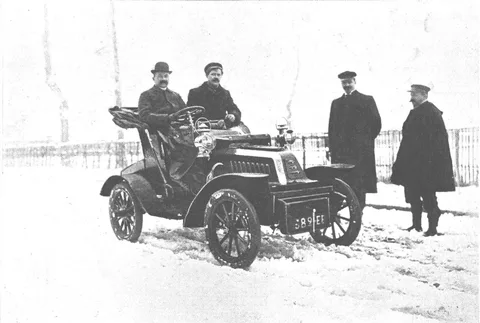
De Dion–Bouton, წვეროსკური ერთბეჭიანი ძრავებისა და წინა-მოქმედებადი voiturette-ების ლეგენდა, 1903–1905 წლებში Type Q-ს Puteaux-ის ქარხანაში გამოუშვა, რომელიც კომპანიის სწრაფად გაფართოებულ მოდელურ ოჯახს ავსებდა. ეს მანქანა tricycle-ებსა და სრულსადგომ სატურიზმო ჟღერებს შორის აბრდღვნის ბერკეტად იქცა: კვლავ გაუთამამებელ, მაგრამ შემოსავალზე ჩამოსულ საშუალო კლასს სამოტორქოლეტა ან ორბორბლიანი მოტოციკლეტისა უფრო კომფორტული შემცვლელი შესთავაზა. აწყობას ფრანგული კოჩებილდერები მომსახურებით ასრულებდნენ, შეკვეთის რაოდენობა კი ზუსტად ამ დროებაში კომპლექტით გასაყიდად მზად პირველი „სერია“ რჩება.
დიზაინი და ინჟინერია
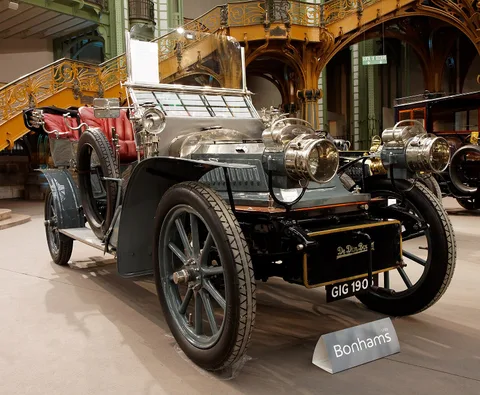
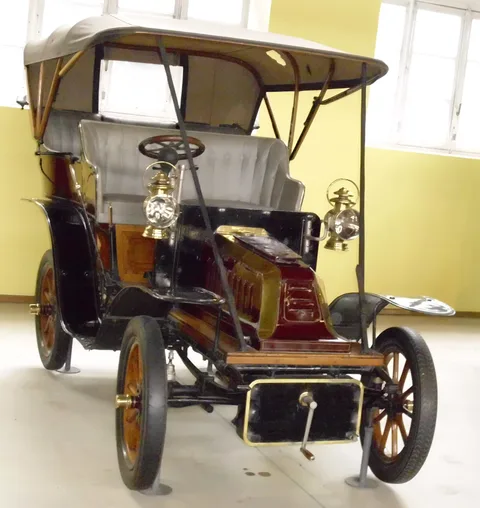
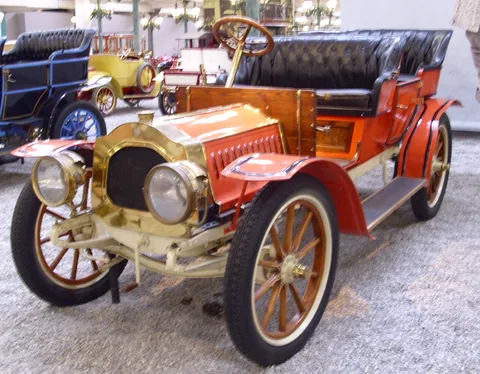
Type Q დაჯდებოდა პრესირებულ ფოლადის ჩარჩოზე, უკანა მყარი ხიდი, ნახევარელიპსური პერისტიებიანი ზამბარები — ყველაფერი De Dion-Bouton-ს კლასიკური კომპოზიცია. ერთბეჭიანი 6-8 ცხენის ძალის ძრავა ძირითადად სკამის ქვემოთ იდება; სიმძლავრე კომპანიის საკუთარი sliding-pinion საამცერი კოლოფითა და შაფტ-ბეველ ბოლოფლანგით მოაწებდა ნაპირს. ბაზა ცოტა 2 მ-ზე მეტია, რაც ქალაქის ქუჩებში ვიწრო მეყანი გზების დაბრკოლებას ამარტივებს, თანემად სხეულს ორ – ან ოთხპერსონიანი tonneau ან phaeton-ად რემონტებაში ადგილი უტოვებს.
მემკვიდრეობა
Type Q წინად ვერასოდეს გადიოდა უფრო დიდ და ძლიერ� Types L, N, O წყვილს, მაგრამ სწორედ ამ „ლოკომოტივებით“ ის სწევდა ფრანგულ ლიდერობას მსოფლიო ავტოპროგრესში WWI-ის წინ — როგორც პირველკლასიანი მწარმოებელი, რომელმაც ბაზრის სხვადასხვა ნიშებზე ერთბაზის წარმოება შეძლო. დაცული ეგზემპლიები დღეს ვეტერან-კოლექციონერების სამაგალითო სიყვარულით როპავს: მექანიკური სიმარტივე და ფრანგული პრე-კატასტროფული ინჟინერიის ნატურლი დე კომპრესია — ამსოფლიური მემკვიდრეობის ღირსის მოწმობა.
English version
Early in the 20th century, De Dion–Bouton – already the world’s largest automobile maker – added the Type Q to its catalogue, a compact four-wheeled car that bridged the gap between cycle-cars and larger touring machines. Though slender in official records today, it was one of the first French models aimed at private owners seeking both economy and modern petrol engineering.
History
The De Dion–Bouton company, famous for its single-cylinder engines and pioneering voiturette designs, introduced the Type Q around 1903–1905 as part of a rapid broadening of its product line. Built at the Puteaux works near Paris, this new model extended the firm’s reach beyond tricycles and high-power tourers, giving middle-class buyers a reasonably priced step up from motor-cycles or steam-powered buggies. Production was modest, reflecting an era when French coachbuilders still assembled bodywork to individual order.
Design & Engineering
Like most De Dion–Bouton cars of the period, the Type Q sat on a pressed-steel chassis with semi-elliptic leaf springs and a live rear axle driven by a single-cylinder petrol engine placed under the seat. Power ratings of 6-8 hp were common, transmitted through an expanded version of the company’s own sliding-pinion gearbox and shaft-and-bevel final drive. The wheelbase measured just over 2 metres, allowing tight turning in city traffic yet sufficient space for simple two- or four-seat coachwork in either tonneau or phaeton style.
Legacy
Although overshadowed by the larger and more powerful Types L, N and O, the Type Q helped cement De Dion–Bouton’s reputation as the first volume manufacturer capable of serving multiple market segments. Surviving examples are now prized by veteran-car enthusiasts for their direct mechanical simplicity and their place as tangible artefacts of France’s leadership in pre-WWI automotive technology.