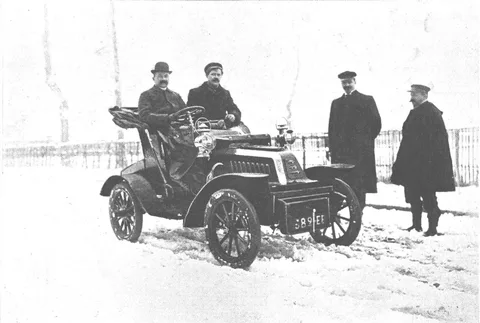
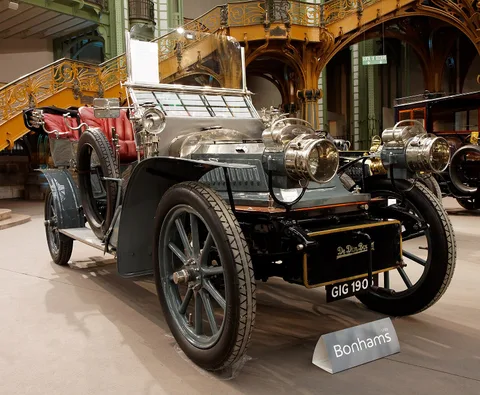
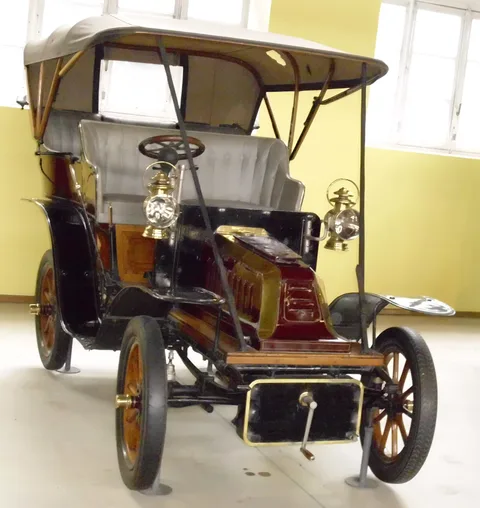
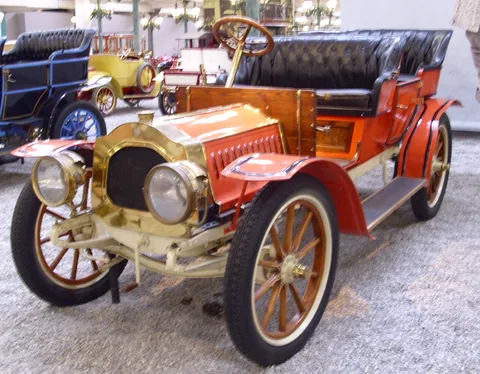
De Dion-Bouton Type L
De Dion-Bouton-ის ადრეულ მოდელებში Type L შედის — კიდევ ერთი დახვეწილი სატრანსპორტო საშუალება, რომელმაც ფრანგულ ბრენდს რეპუტაცია გაუმყარა: მარტივი საიმედო ავტომობილი გარბენის შიშით კი არა, სიამოვნებით.
როდის აწყობდნენ
ზუსტი წლების ჩანაწერი არ გადამოდის, მაგრამ Type L ლოგიკურად გადება 1900-1914 წლების წარმად პერიოდში, როცა De Dion-Bouton ევროპის უდიდესი ძრავის მწარმოებელი გახდა. ამ ხაზის ქვემოდან voiturette-ების ერთბარიან მოდელებამდე და ზევით ოთხადგილიან tourer-ებამდე ყველაფერმა მიიღო წარმოებაში ადგილი.
ტექნიკა, რამაც დაიხატა გზა
ფირმამ უკვე გააცხადებინა თავისი სტილი: წინა მოწყობილი ერთ- ან ორბარიანი ძრავა, უკანა live axle და კარდანი — ამ ინჟინერიამ სიჯანსაღე გაამყარა და მოდელი სახელმწიფო გალაპარაკების თემა გახდა. პრესირებული ფოლადის შასის, ფოთლოვანი რესორები და ნახევრადავტომატური შემოსაღები სარქველები — ყველა ეს დეტალი ექსლეტი იყო იმ რუსეთუმზეც კი, სადაც სიტყვა “ავტო” ჯერ ახალი საღათას ატარებდა.
გრძელი ცხოვრება
Type K-ის ან მოგვიანებითი V8-ების ფენომენების ჩრდილში Type L პირველად თვალში არ მოგხვდება, მაგრამ ზუსტად ასეთმა საშუალო საფეხურის მოდელებმა გააგრძელეს სერიითი შემოსავალი და გააფართოვეს ფაბრიკა. ცოტა რამეა გადარჩენილი, მაგრამ ისინი დღესაც ჰობიურ რალებზე სრულყოფილად ირბენიან — ცხადი მტკიცებულება იმისა, რომ De Dion-Bouton-ის “ამქარი” მოდელებიც სიცოცხლეს დიდ საუკუნეს აძლევდნენ.
English version
Among the early-20th-century stable of De Dion-Bouton, the Type L stood as another carefully engineered automobile that helped cement the French marque’s reputation for reliable, accessible motoring.
Production Context
Exact production years for the Type L have not surfaced in surviving records, yet its designation fits within the marque’s 1900–1914 output boom, a period when De Dion-Bouton became Europe’s largest engine manufacturer. The model joined a family spanning single-cylinder voiturettes to larger four-seat tourers.
Design & Engineering
Following the company’s trademark layout, the Type L likely carried a front-mounted single- or twin-cylinder engine allied to a live rear axle driven by a shaft, a configuration the firm popularised for durability. A pressed-steel chassis, leaf-spring suspension and automatic inlet valves—pioneered by De Dion-Bouton—would have been standard, offering the advanced turn-of-century motorists dependability over rough Continental roads.
Legacy
Though overshadowed by headline models such as the Type K or the later V8s, the Type L represents the broad middle tier of cars that generated the steady sales revenue funding De Dion-Bouton’s expansion. Surviving examples—sparse but extant—appear at veteran-car rallies, testifying to the longevity engineered into even its ‘workaday’ models.