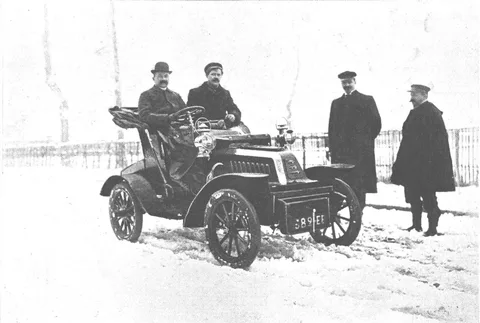
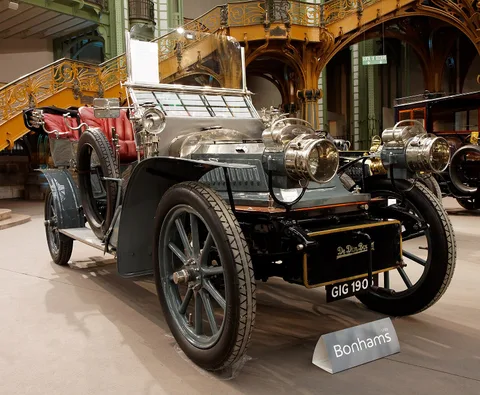
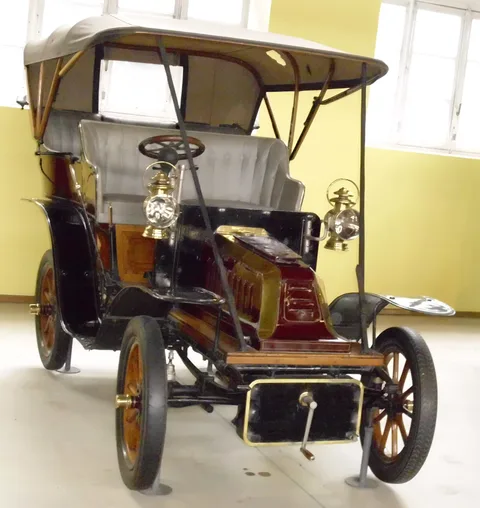
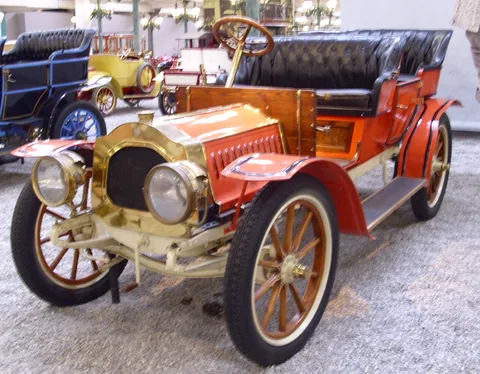
De Dion-Bouton Type IE
19–20 საუკუნეების მიჯნაზე პარიზში შექმნილი De Dion-Bouton Type IE იყო ის ტიპური „ვოiturette“, რამაც სწორედ ამ ფრანგულ ბრენდს მიანიჭა „ევროპის პირველი სერიული მწარმოებელი“ სახელი. IE უფრო დიდ Type O-ზე პატარა იყო და უფრო წვრილი, ერთცილინდრიანი Type E-სა და G-ზე – დიდი, შუა ზომის კომპრომისი ხელმისაწვდომობასა და პრაქტიკულობას შორის.
მემკვიდრეობა
რომელი სანამ წარმოება დღემდე აფასება, Type IE ამყარებდა იმ პრაქტიკულ კონცეფციას – კომპაქტური ორცილინდრიანი ავტომობილები სტანდარტული ნაწილებით – რამაც De Dion-Bouton 1904-მდე ყველა კონკურენტს აჯობა ყიდვა-გაყიდვის მასშტაბით. ეს სქემა პირდაპირ გადასცემდა ფრანგ მსუბუქ ავტოპარკსა და ადრეულ ამერიკელ კომპანიებს, რომლებიც De Dion-ის ძრავებსაც კი ააშენებდნენ ან პირდაპირ შემოიტანდნენ.
English version
Produced around the turn of the 20th century, the De Dion-Bouton Type IE was one of the many voiturettes that cemented the Parisian marque’s reputation as Europe’s first volume car maker. Alongside the larger Type O and smaller single-cylinder Types E and G, the IE tread the middle ground between practicality and affordability.
Position in the lineup
Exact production dates have not survived, but De Dion-Bouton catalogues list the IE between 1899 and 1901 alongside the single-cylinder, 3½–3¾ hp Type E and the more powerful 8 hp Type O. Like most De Dion voiturettes, the IE used a twin-cylinder engine hung beneath the chassis, driving the rear wheels through a two-speed counter-shaft gearbox and side chains.
Engineering & construction
The marque’s trademark De Dion axle and hot-tube ignition appeared on the IE, giving it period-leading reliability. Chassis construction followed the light tubular frame already proven by De Dion tricycles and quadricycles. Braking was by pedal-operated transmission brake and hand lever on the rear wheels, while tiller steering remained the norm.
Legacy
Though production numbers are undocumented, the Type IE reinforced a practical template—compact twin-cylinder cars with interchangeable parts—that helped De Dion-Bouton outsell every other manufacturer before 1904. The formula directly influenced French light-car makers and even early American firms that imported or copied De Dion power units.