De Dion-Bouton Type HD
ფრანგული De Dion–Bouton-ის პატარა და წარმატებული „voiturette“ სერიის ერთ-ერთი გამორჩეული წარმომადგენელი, Type HD, პირველივე მსოფლიო ომამდე პარიზის საათოსნოდან გამოვიდა — ეს იყო კომპანიის დრო, როცა ევროპის ქუჩებს ამ ბრენდის ძრავები და ბორბლები ამშვენებდნენ.
დიზაინი
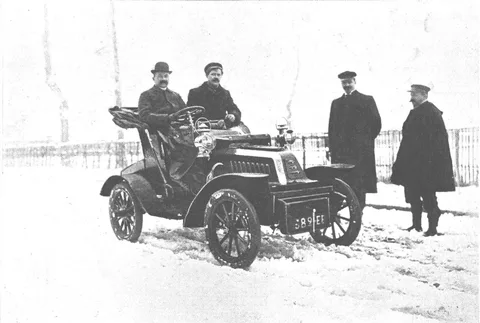
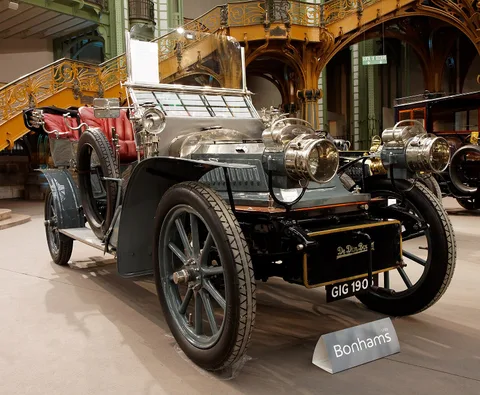
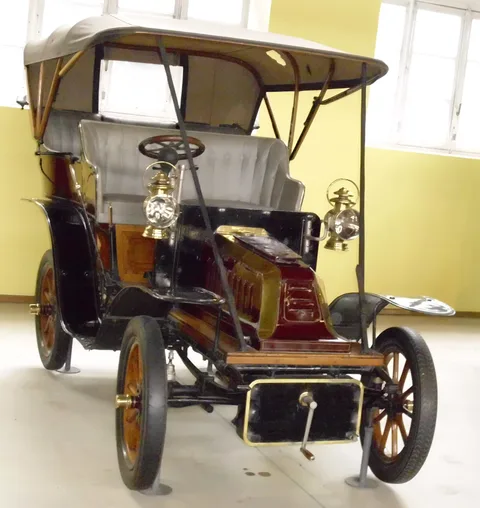
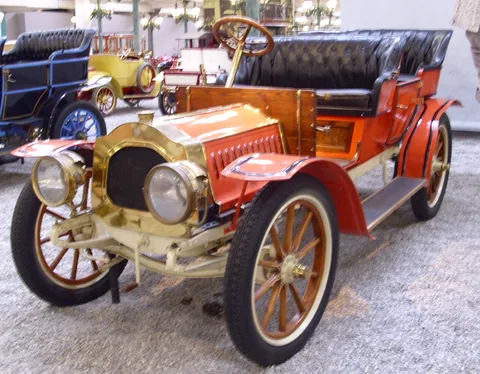
პოლიტბიუდჟე ფრანგულმა ფორმულამ არ შეცვლალა: Type HD იდგა მსუბუქ პრესილიცხელო შტამპოვან ჩარჩოზე, წინ და უკან — ნახევარელიფსური ფარებდა ფოთლის საამებელზე. პატარა ორცხობილი ღია კარკასი პირდაპირ ასეთ მოდელებს ეკუთვნოდა. მოწყობილობაში — ერთცილინდრიანი De Dion-Bouton 6½ ან 8 ცხენი სიძლიერით, წინა საძრავით, სადაც ჯაჭვიანი გადართვა უკანა ბორბლებზე მიდიოდა. როგორც იმ პერიოდში ჩვეული, ბრასის ნალებით მოწყობილი აცეტილენის ფანრების და ხის „არტილერიული“ ფორმის თეთრეული ბორბლები, ხილული დასრულებული წვეთოვანი პროფილის საბურავებით — ეს იყო სტანდარტი.
მემკვიდრეობა
ინდივიდუალური Type HD ეგზემპლარები იშვიათად შემორჩა მთლიანად, მაგრამ მათი წვლილი არის კომპანიის უშუალო გავლენა: 1904 წლისათვის De Dion-Bouton-მა თავისი ძრავი, ღერძები და მთელი შასი 150-ზე მეტ ფაბრიკატორს მიაწოდა, რამაც ფრანგული მცირე მოდელების ტექნოლოგია მთელ ევროპაში მოაბიჯინა. დღეს კოლექციონერები Type HD-ს ძირითადად ოთხნიშნა „HD“ პრეფიქსის მქონე შასის ნომრით ამოცნობენ, ხოლო განუმეორებელი ერთცილინდრიანი ძრავის დაუდეგი ხმა უშრიალებს ისტორიას.
English version
Built by the prolific French firm De Dion–Bouton, the Type HD was one of the many voiturette models that rolled out of the Paris workshop during the pre-World-War-I boom when the company dominated European motoring.
History
De Dion-Bouton etched its name into automotive history during the late 1890s and early 1900s by producing small, light cars under the “Type” naming system. The Type HD belongs to this family of early voiturettes, intended for personal rather than commercial transport. Evidence for the exact introduction year is scarce, yet catalogues and surviving registration papers place the HD alongside contemporaries such as the Type AD and Type CD, all sharing a common focus on reliability and relative affordability.
Design
Following the company’s established formula, the Type HD rode on a lightweight pressed-steel ladder frame with semi-elliptic leaf springs supporting a two-seat open body. Typical for the period, power came from a single-cylinder De Dion-Bouton engine—usually 6½ or 8 HP—mounted under a simple bonnet with side-chain final drive to the rear wheels. Brass-rimmed acetylene lamps and artillery-type wooden wheels fitted with beaded-edge tyres completed the standard specification.
Legacy
While individual Type HD examples rarely survive intact, their contribution is measured through the marque’s broader impact: by 1904 De Dion-Bouton had supplied engines, axles, and entire chassis to more than 150 other manufacturers, cementing French small-car know-how across Europe. Collectors now distinguish Type HD survivors by chassis plates bearing the four-character “HD” prefix and by the unmistakable clatter of the firm’s pioneering single-cylinder power unit.