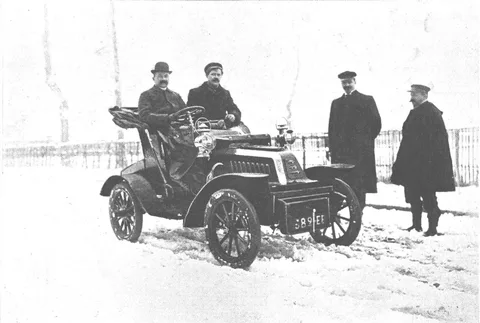
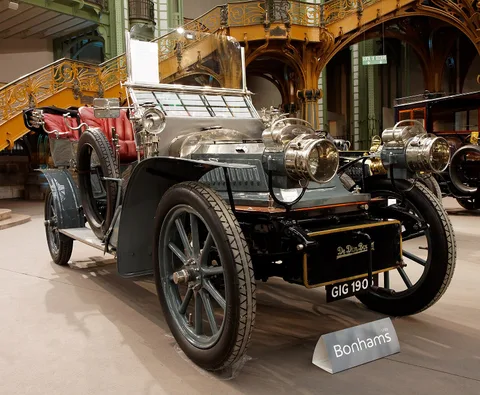
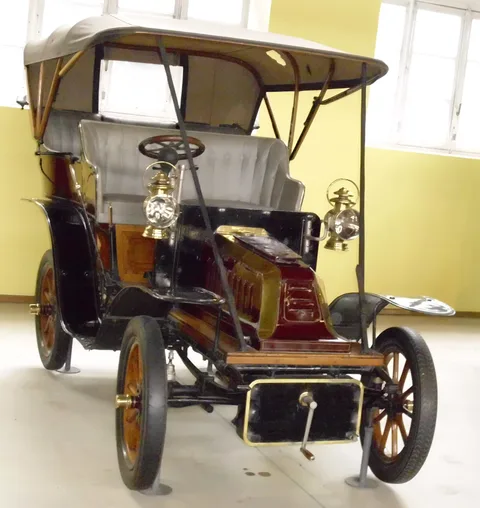
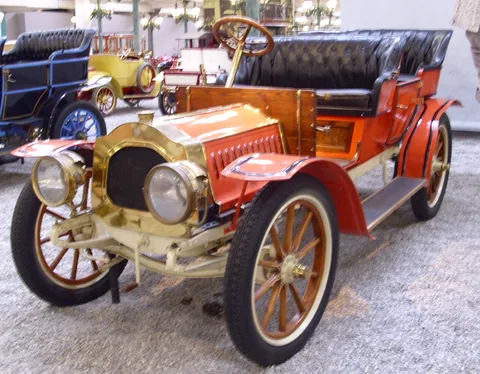
De Dion-Bouton Type G
გვიანი 1890-ების ბოლოს ფრანგმა პიონერუნმა De Dion–Bouton-მა გამოუშვა Type G — პირველი მანქანა რომელიც სერიაში გავიდა და 100 კმ/სთ-ს აკრიფდა, კომპანიის ერთცილინდრიანი მოტორის ირგვლივ შექმნილი.
დასაწყისი
1899 წელს შექმნილი De Dion-Bouton Type G წინა ტრიციკლებისა და vis-à-vis მოდელების ლოგიკური გაგრძელება იყო — ამ პარიზულმა ბრენდმა უკვე მოიპოვა სახელი მთელ მსოფლიოში. იგივე პროპრიეტარული ოთხტაქტიანი ძრავა იყო, მაგრამ ორსავარძიან ფარდაგად გადაისვა, რაც თანამედროვე ტურისტულ ავტომობილს წინასწარ ეხმიანება.
ტექნიკური სიახლეები
Type G-ს ერთცილინდრიანი 402 სმ³ ძრავა ჰქონდა მბრუნავი შემშვები კლაპანებითა და ცხალი მილის ანთებით. 3.5 ცხ.ძ. გამოსდიოდა და 350 კგ მასას 100 კმ/სთ-მდე უყვანდა 1901 წლის გამორბენებში. უკანა მაგისტრალური რადიატორი და ჭიის გადაცემათა კოლოფი იმ დროს არასტანდარტულიც იყო, მაგრამ გერმეტულად გადართვასა და გაგრილებას უზრუნველყოფდა.
გავლენა
წონის შემცირებამ და მომატებულმა აჩქარებამ Type G-ს მოკლეხანლიან შრომაში ეტალონად აქცია, სანამ De Dion-Bouton უკვე დიდი tandem-ები და ტუინი-ძრავები წაიყვანს. პირველ რიგში საფრანგეთში გაიყიდა, მაგრამ რამდენიმე ეგზემპლარი ევროპაშიც და ჩრდილოეთ ამერიკაშიც მიაღწია, და კომპანიის სახელი პირველ ბენზინურ ეპოქაში გააჟღერა.
English version
Produced in the late 1890s by French pioneer De Dion–Bouton, the Type G represents one of the earliest commercially available automobiles designed around the company’s revolutionary single-cylinder engine and one of the first cars to reach 100 kph.
Origins
Developed in 1899, the De Dion-Bouton Type G was a direct evolution of earlier combustion tricycles and vis-à-vis models that had already brought the Parisian marque international acclaim. It used the same proprietary four-stroke engine layout but packaged into a lightweight, two-seat chassis that anticipated the modern touring car.
Engineering Firsts
The Type G introduced a refined single-cylinder 402 cm³ engine with rotary intake valves and hot-tube ignition, delivering roughly 3.5 hp and propelling the 350 kg vehicle past 100 km/h in record-setting trials of 1901. The rear-mounted radiator and worm-gear transmission, both unconventional for the period, gave drivers reliable shifting and improved cooling under sustained load.
Impact
By lowering weight and raising performance, the Type G became a short-lived but influential benchmark before De Dion-Bouton shifted to larger tandem- or twin-cylinder models. Sold primarily in France, a handful were exported, helping to spread the French firm's reputation across Europe and North America during the first years of the motor age.