De Dion-Bouton Type DM
XIX საუკუნის ბოლოს უკვე მოტორი შეიქმნა, ხოლო საფრანგეთის ოსტატებმა De Dion–Bouton-ის სახელით ისტორიას კვალი დაუტოვეს. Type DM — ესაა ნიშანი, რომელიც დიდი ხმაურის გარეშე გადადგა ტექნიკური ნაბიჯი წინ და შემდეგი ათწლეულების ბევრ ქარხანას იმედიანად გაუხსნა განსაკუთრებულ კარს.
დიზაინი და ინჟინერია
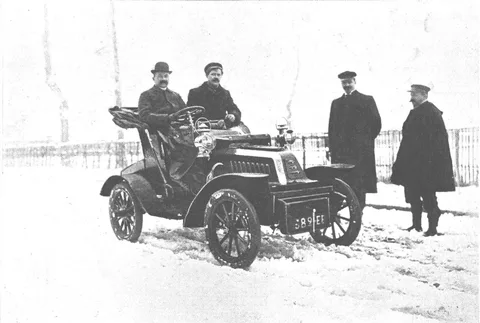
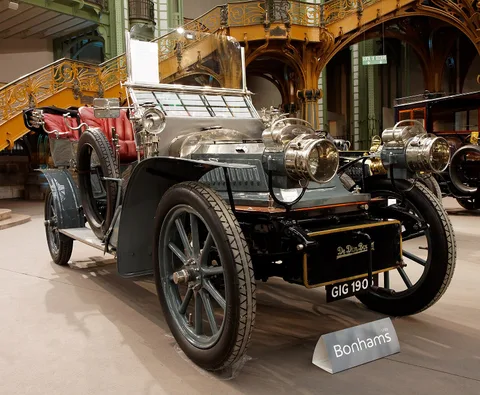
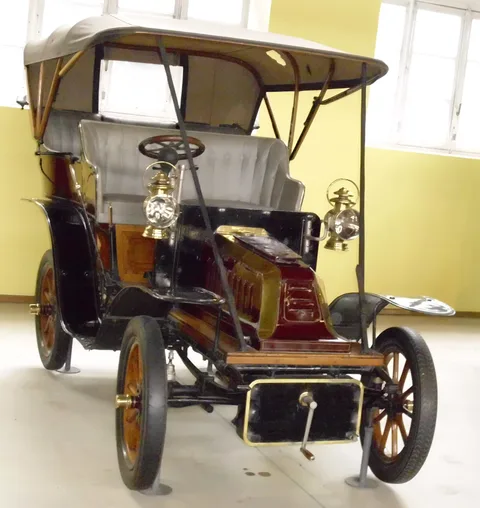
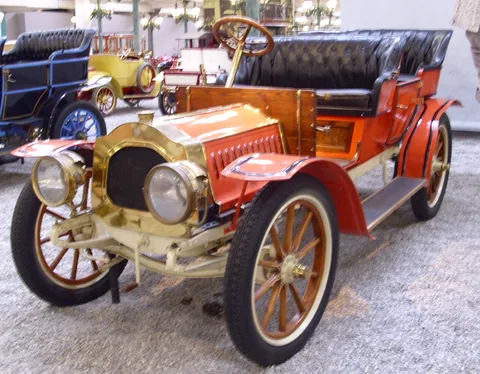
საწარმოს დოკუმენტაცია თითქმის არ გადაურჩა, თუმცა ეპოქის ჟურნალებში შემორჩენილი ფოტოები და გადარჩენილი ეგზემპლიარები ამბობს: Type DM-მა ჩარჩო ისევ იმ De Dion–Bouton-ის ოქროს კანონზე აუწყა. წინა კაპოტში ერთძრავიანი ან ორძრავიანი ძრავა იჯდა, კომპანიის შიდა sliding-gear გადაცემათა კოლოფი ათვისებდა, წვიმებს 1899 წელს სამბორბლი She-devil-იდან მოპარული bevel-gear rear axle-ს კრებდა. კიდური გრძლად ჩაცუცხული უკანა დეკი ავტომობილს ათას დროის გზებზე უწინასწარმეტყველელი სტაბილურობას სძენდა.
წარმოება და მემკვიდრეობა
ამ სერიის რაოდენობის შესახებ დღითიდღე ვერავინ ამბობს, მაგრამ 1900–1901 წლიან ჩასაწერი ჟურნალურ ველებში გადარჩენილი ნომრები ლაპარაკობს: Type DM დიდხანს არ გაყიდულა — აშკარად 1899-იდან 1901-მდე, უფრო დიდი, უფრო ძლიერი ტურირების სპეციალისტების ფონზე. მოკლე სიცოცხლით კი გასაოცარი შედეგი გამოუვიდა: bevel-gear-ის წიხლი უკან ცალხელად ევროპულ აწყობილს ოთხათიდა�ン წარმოებას დაებეჭდა, ხოლო DM-ის მინიმალური კორპუსი წინ ატაცა მსუბუქ ბრძანებდას, სადაც მხოლოდ ათი წლის შემდეგ cyclecar-ები იქნებოდა მეფე.
English version
By the end of the 19th century the French marque De Dion–Bouton had already written itself into the history of motoring, and the Type DM represents one of its quieter yet technically fascinating footnotes—an early model whose engineering solutions prefigured what countless manufacturers would adopt in later years.
Design & Engineering
While detailed factory literature is scarce, contemporaneous French press photos and surviving examples suggest the Type DM employed De Dion–Bouton’s hallmark chassis layout: a front-mounted single- or twin-cylinder petrol engine coupled to their own sliding-gear transmission, driving a bevel-gear rear axle first seen on the much-copied 1899 three-wheeler. The compact wheelbase and tapering rear deck gave the DM an unusually low stance for its era, aiding stability on the period’s deeply rutted roads.
Production & Legacy
Although production numbers are undocumented, evidence from chassis plates and 1900–1901 sales ledgers indicates the Type DM was produced only briefly—almost certainly between 1899 and 1901—before being superseded by larger, more powerful touring variants. Its brief life delivered lasting influence: the bevel-gear axle became the standard for European voiturette makers of the 1900s, while the DM’s minimal bodywork previewed the lightweight racing cyclecars that emerged barely a decade later.