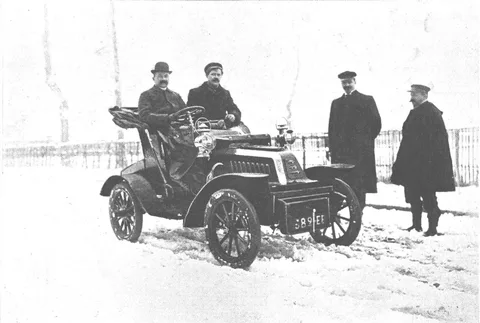
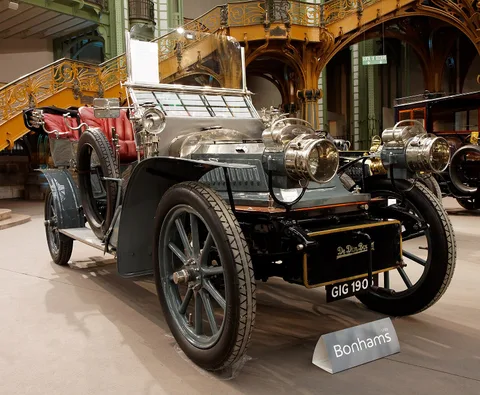
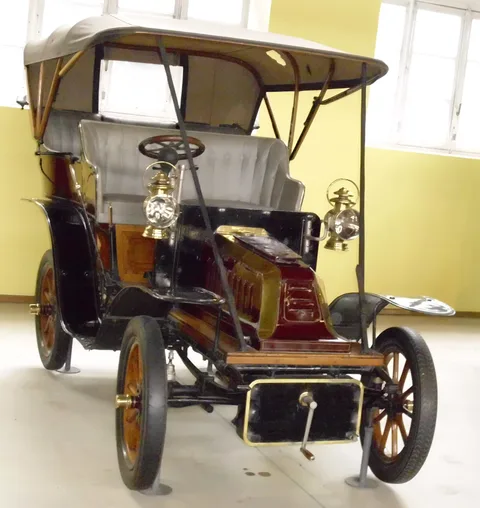
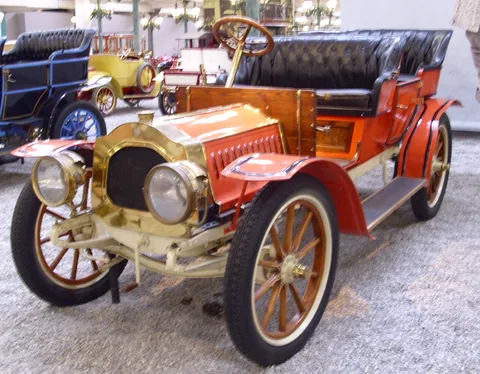
De Dion-Bouton Type CS
De Dion-Bouton Type CS – ფრანგული პიონერული ფირმის ერთ-ერთი გამორჩეული მოდელია Belle Époque-ის საუკუნეში. წარმოების ზუსტი წლებიც კი ატრიალებს, მაგრამ Type CS დღემდე იმით იხსენება, რომ წინასაXX-საუკუნის ლუქსკლასის ბაზარზე De Dion–Bouton-ის ინჟინრული პრესტიჟი და კარგად გაპრიალებული დეტალები გაიტანა.
ისტორია
1883–ში დაფუძნებულმა შეკითხა–ბუტონმა პირველი სერიაში გამოშვებული ავტომობილი შექმნა და პატენტების გრძელი რიგი დაუდო ადრეულ მოტორინგს. Type CS მოდერნიზაციის პერიოდში, ანუ 1900-იანების დასაწყისში გამოჩნდა, როცა კარუსტერები ამ ჩასისხლილკონსტრუქციულ შასისს სალუქს კაროსერიას – სალონს, ფაეტონს ან კუპეს – ჩასკრავდნენ ქომლად კლიენტებისთვის. Type CS, ისევე როგორც Type AD და Type AB, პარიზიდან, ლონდონიდან, ნიუ-იორკიდან მიეწოდებოდა პარტნიორებს "ცალკე შასის" სახით, ხოლო Binder, Kellner, RothschildU შეუდგებოდა მას მარჯვენა ხელით შეუკვეთითა ბოდის გაკეთების საქმეს.
დიზაინი
ტიპიური Type CS არტენავს მარკის სტამდებული ფოლადის ჩარჩოსა და ჯაჭვით ამოძრავებულ უკანა ბორბლებს, აქვს გრძელი დაბალი უკანაფალი, რომელიც ორ- ან ოთხცილინდრიან De Dion–Bouton მოტორს თავაზობს. სპილენძის აცეტილენის ბოლომფარები, ხის "არტილერიის" ბორბლები პნევმატიკით, მარჯვენასახელო გადატერფა – ყველაფერი ამჟამად გამოქცეულ ვიქტორიანულ კარეტადან თანამედროვე ავტომობილამდე გადასვლის ხილული კავშირია.
ინჟინერია
De Dion–Bouton-ის ერთ-ბოჭკოვანი კამერების მართვული მექანიზმი და ავტომატური საპოხი სისტემა – რომელიც Type CS-სთან ერთად გამოჩნდა – 1900 წელს კომპანიას მსოფლიო ბაზრის თითქმის ნახევარს ანიჭებდა. Type CS-ის მოტორის რაოდენობითი და ლიტრაჟული მონაცემებია მეტად ნაკლებადა, თუმცა ბრიტანელი იმპორტიორების ფასების სიები წირს: შესაძლებელი იყო რამდენიმე ცილინდრისა და აწეპის კომპლექტაცია, კომპანია კი მოდულურ ლუქსს აწარმოებდა – რამდენადაც კლიენტი მოითხოვდა.
English version
De Dion-Bouton Type CS stands as one of the standout models from France’s pioneering automotive firm, De Dion–Bouton, at the height of the Belle Époque. Though definitive production years remain undocumented, the Type CS is remembered for carrying the company’s reputation for advanced engineering and polished finish into the early twentieth-century luxury-car market.
Historical place
Founded in 1883, De Dion–Bouton dominated early motoring with the world’s first series-built car and a string of landmark patents. The Type CS arrived during the firm’s early-1900s expansion, when coachbuilders ordered rolling chassis to clothe bespoke saloon, phaeton or coupé bodies for affluent European customers. Like its Type AD and Type AB stablemates, the CS was delivered to Paris, London and New York agents as a chassis, while marques such of Binder, Kellner and Rothschild fitted hand-built coachwork.
Design notes
Physically, the Type CS featured the marque’s trademark pressed-steel chassis and chain-driven rear axle, positioned under a long, low bonnet that announced De Dion–Bouton’s twin or four-cylinder engines. Brass acetylene lamps, wooden artillery wheels with pneumatics, and a right-hand tiller or early wheel steering were typical, reflecting the transition between Victorian carriages and modern automobiles.
Engineering significance
De Dion–Bouton’s reliable single-cam valve gear and automatic lubrication system—developed for the Type CS and closely related models—helped the brand control nearly half of world automobile output in 1900. While precise Type CS engine data are sparse, the chassis price lists filed with British importers confirm it was offered in several cylinder counts and swept volumes, underlining the company’s modular approach to luxury motoring.