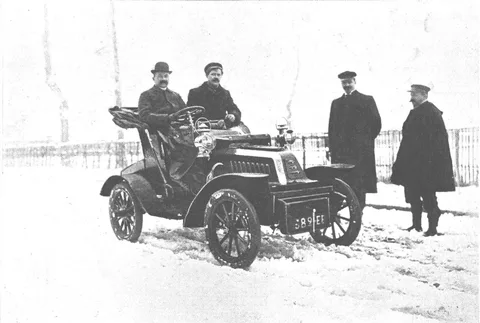
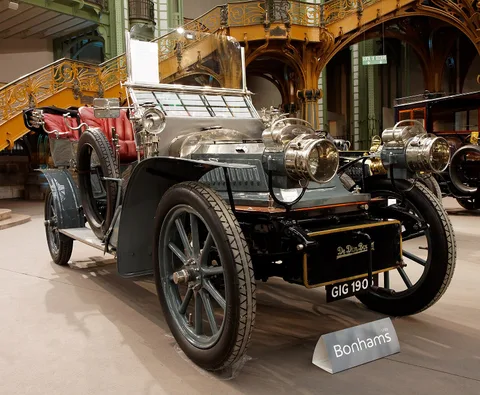
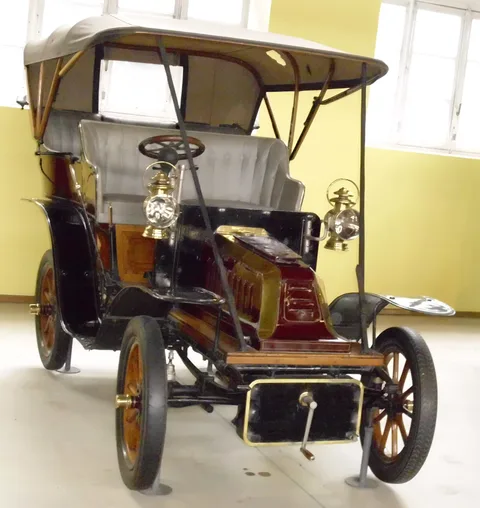
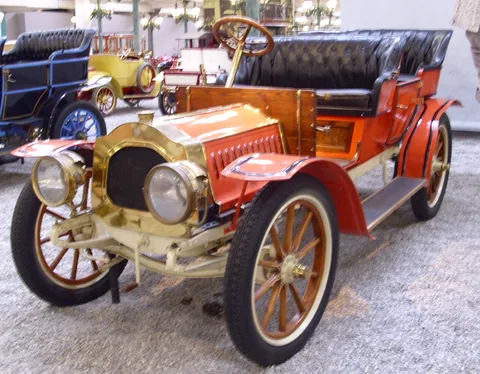
De Dion-Bouton Type CD
საიდუმლო არც არის — De Dion-Bouton Type CD-მ ხელით შეიკრა XX საუკუნის ზღვარი და იმ დროის სუპერბრენდი იყო, როცა „ვუარს“ სწორდებოდა გვერდით.
ბრენდიდან
De Dion-Bouton et Cie 1883 წელს პუტოში დაარსდა. პირველად ორთქილიან ტრიციკლებს აკეთებდნენ და მალე პატარა ბენზინის ძრავებზე გადავიდნენ. 1900-იანების დასაწყისში უკვე მსოფლიო ყველაზე დიდი ავტომფრქვევა იყო; ძრავებს ევროპასა და ამერიკას ექსპორტავდა.
Type CD გამაჩინებელი ადგილი
ტექნიკური მონაცემები აღარ გადარჩა, მაგრამ ტიპური რეკლამების მიხედვით Type CD შუა რიგის შასიზე იდგა, ერთცილინდრიან ვუარებსა და ოთხცილინდრიან ტურინგებს შორის. კომპანია ასლებიანად გადაჰყავდა: A-დან მინიმუმ S-მდე — ყოველი შემდეგი წელი მცირე გაზრდილი ბაზა და ძალა.
დიზაინი და ტექნიკა
Type CD-ს, სხვა თანამედროვე De Dion-Bouton-ებივით, წინასწარ ჰქონდა გვერდული სარქველების მქონე ძრავა, როელიც კარდანის ღერით საჭეს ატრიალებდა. უკანა ღერზე კი კომპანიის პატენტით დამზადებული „alive“ დეტალური ლულა დამონტაჟებული მავანე ფორმით იდგა — ეს გადაწყვეტა მაშინდელ კონკურენტებს განაზღვავდა.
English version
The De Dion-Bouton Type CD stands out early in the automaker’s catalog, representing the celebrated French marque at the turn of the twentieth century when De Dion-Bouton dominated voiturette and touring-car markets.
Company Background
De Dion-Bouton et Cie was founded in 1883 in Puteaux, France. Beginning with steam-powered tricycles, the firm quickly pivoted to small gasoline engines, becoming the world’s largest automobile manufacturer by volume by the early 1900s and exporting powerplants to other builders across Europe and the Americas.
Type CD Place in the Range
While specific technical numbers for the Type CD are not preserved in primary sources, period advertisements list it among the company’s mid-range chassis offered alongside single-cylinder voiturettes and larger four-cylinder touring cars. Its name follows De Dion-Bouton’s alphabetic typology that moved from Type A through at least Type S, denoting incremental increases in wheelbase and engine size.
Design & Engineering Hallmarks
Like contemporary De Dion-Boutons, the Type CD almost certainly carried a front-mounted, side-valve engine driving the rear axle via a propeller shaft. Many models also featured the patented De Dion “live” rear axle with transverse leaf spring—an arrangement that improved roadholding compared to rear-mounted powertrains common at the time.