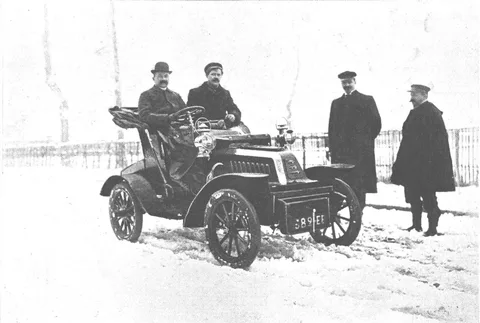
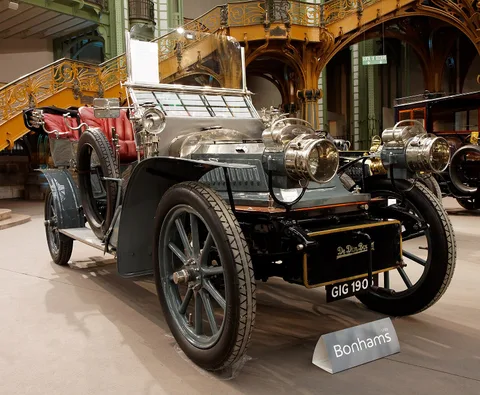
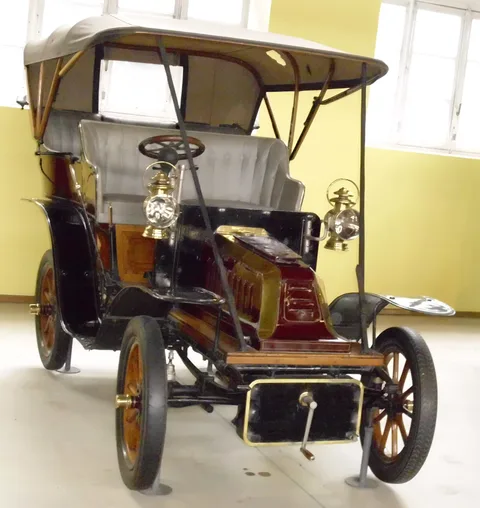
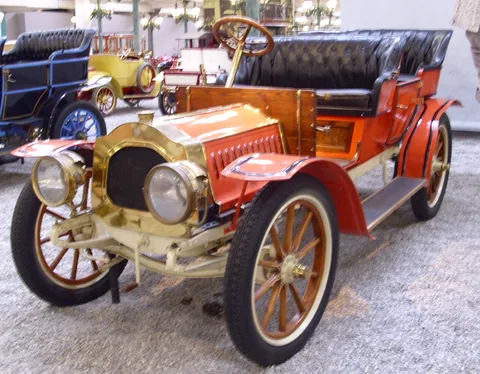
De Dion-Bouton Type BU
Type BU ფრანგული De Dion-Bouton-ის პარიზულ ხაზებში მერსედესისთვის იყო — პატარა განყოფილება, რომელიც უჩვენებს როგორ გადავიდა ევროპის ერთ დროს უდიდესი კომპანია პაროდან ორთქლიდან ბენზინზე. ტექნიკური დოკუმენტაცია ძალიან ცოტა შემორჩა, მაგრამ სახელი მაინც აკეთებს საქმეს — პარიზული საინჟინრო დნმ-ს დღესაც კლინავს.
De Dion-Bouton-ის კატალოგში ადგილი
Type BU გამოჩნდა მაშინ, როცა კომპანია 1900–1903 წლების ერთბანდიან voiturette-ების შემდეგ დიაპაზონს ზრდიდა. გადარჩენილი კატალოგები ამბობენ, რომ BU ოდნავ უფრო დიდი ჩარჩო იყო პირადი მფლობელებისთვის, ვინც Type K-ზე იმაზე მეტ კომფორტს ითხოვდა, მაგრამ Type AX-ის ფუფუნებამდე არ მიდიოდა ფული და Type AD-ის სიმძიმესაც არ აფასებდა.
მცირე არქიტექტურული შტრიხები
პერიოდული რეკლამები აჩვენებენ pressed-steel ჩარჩოს, ორდაგნი semi-elliptic ნაჯის პრუჟინებით წინა-უკანა და კომპანიის უკვე დახვეწილ 6.5 ცხ. ერთბანდიან ძრავას. Million-Guiet-იც და courbevoie-ის Rothschild-იც BU-ზე აკერებდნენ ოთხადგებიან phaeton-ებსა თუ ჩაკეტილ limousines-ს — მაშინდელი გადაზიდვის სასკოლო ავტომობილის დონე უბრალოდ.
მემკვიდრეობა და იშვიათობა
დღეს BU-ს მთავარი თვისება განუმეორებლობაა; ზუსტად ერთი 1904 წლის Rothschild-phaeton აბრკახებს საფრანგეთში. ამიტომ ეს მოდელი კოლექციონერებისთვის სიგნალური ლურჯი ფერის მოსაცემი ხაზია — წერტილი, საიდანაც De Dion-Bouton წვრილი runabout-ებიდან მულტი-სეგმენტურ, ოჯახურ კატალოგზე გადავიდა.
English version
Type BU from French manufacturer De Dion-Bouton sits among the marque’s early-20th-century passenger models, offering insight into how Europe’s once-largest automaker transitioned from steam to petrol motorcars. While full technical records are lost to time, its name alone anchors it in the firm’s Parisian engineering lineage.
Position in the De Dion-Bouton Catalog
Type BU emerged during the period when De Dion-Bouton was diversifying its model range after establishing mass-production techniques for the 1900–1903 single-cylinder voiturettes. Limited surviving literature lists the BU as a slightly larger chassis intended for private owners seeking more comfort than the minimal Type K or Type G, but without moving up to the luxury Type AX or the heavier Type AD tonneaus.
Design and Engineering Glimpses
Period advertisements show a pressed-steel ladder frame, semi-elliptic leaf springs at both ends, and the firm’s now-mature single-cylinder 6.5 hp engine. Coachbuilders such as Million-Guiet and Rothschild of Courbevoie were known to clothe the BU in distinctive four-seat open phaeton or closed limousine bodies, giving it a family-car stature.
Legacy and Rarity
Scarcity is the defining trait today; only one 1904 Type BU phaeton with Rothschild bodywork is positively identified in French collections. The model therefore serves collectors and historians as a marker of the moment when De Dion-Bouton shifted from pioneering small runabouts toward a broader, multi-segment catalog.