De Dion-Bouton Type AX
ფრანგულმა De Dion-Bouton-მა მონოპიზანტესავით ჩათლა წარმართა XIX საუკუნის ბოლოს: აი, Type AX-ი კი უკვე მათი პირველი, სწორად „მანქანად“ შემუშავებული ტიპია, რომელმაც ავანტურნი ექსპერიმენტები შეძლებულ ეტაპზე გადაიყვანა.
საწყისი
ოფიციალური წლოვანება და წარმოებული რაოდენობები დღესდღეობით დაკარგულია, მაგრამ არსებული ეზემპლარების სიუხვე ერთია — Type AX იქვე დგას, სადაც ძველი ვეტერან-ავტო ამწიკვლები გამოდიან. ისინი მუზეუმებიდან, პირდაპირი გაგებით, ადასტურებენ, როგორ მოქციეს წყნარი Parisian ინჟინრები თავიანთი ურთისთვესიდან უერთიანობის გარემოშფოთბიდან ავტომობილთა წარმოების პირველი ლიგროვის შემდეგ.
English version
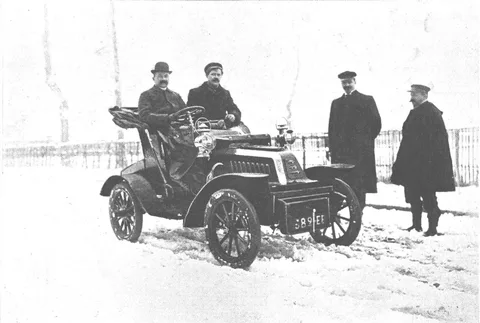
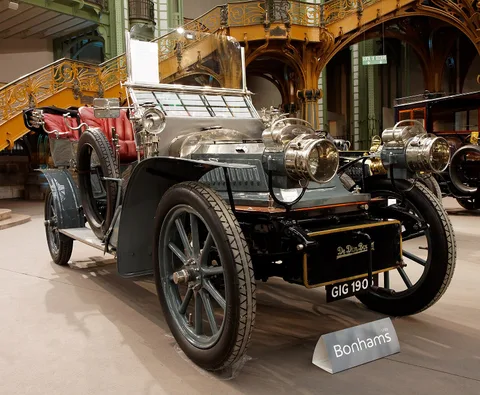
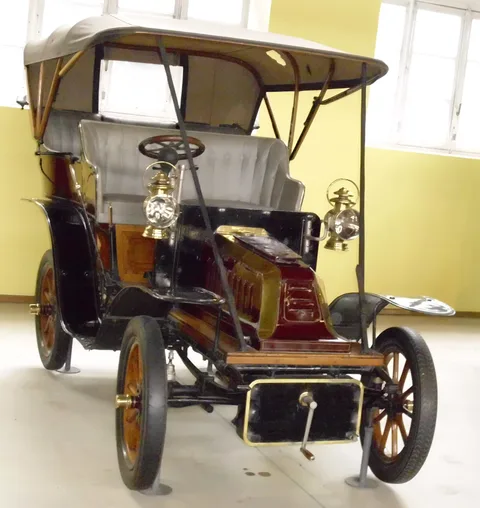
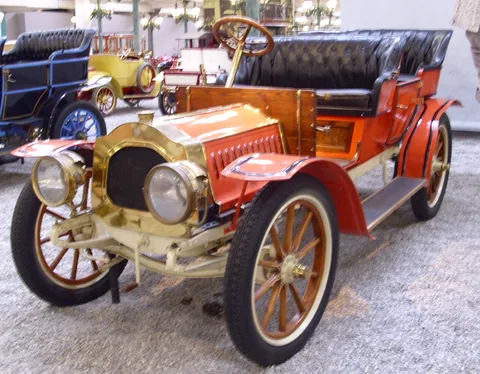
Produced by the French marque De Dion-Bouton, the Type AX stands as one of the earliest dedicated automobiles from the company that put the automobile within reach of early 20th-century motoring enthusiasts. Its appearance signaled the shift from avant-garde experiments to commercially viable touring cars.
Manufacturer background
De Dion-Bouton became a household name after perfecting the high-speed petrol engine and installing it in steerable four-wheel vehicles in the 1890s. Building on that reputation, the firm released several model lines in the first decade of the 1900s to broaden its customer base, the Type AX occupying an important mid-range position.
Design and engineering
Typical of De Dion-Bouton practice, the Type AX featured a front-mounted single- or twin-cylinder engine driving the rear wheels through a simple chain drive. A pressed-steel chassis with semi-elliptic leaf springs and solid axles delivered the robust simplicity required on the rough, unmade roads of the period. Lighting and instrumentation were minimal, yet the overall layout established the template for decades of small touring cars that followed.
Legacy
Although specific production numbers and launch years for the Type AX have not survived, its survival into 21st-century collections confirms its significance. Visible today at veteran-car rallies and museums, the Type AX remains a textbook example of how Parisian engineering firms transitioned from bicycle and stationary-engine makers to cornerstone automobile manufacturers.