Changan Alsvin V3
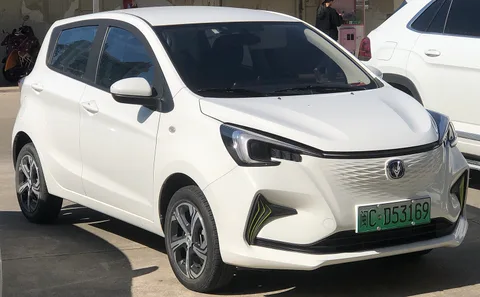
პატარა სედანების კლასში ჯდება Changan Alsvin V3 — ჩინური პროიქტი, რომელიც სივრცესა და ეკონომიურობას გვთავაზობს ქალაქელი მძღოლებისთვის. Changan-ს აქამდე ასეთი მოდელი არ ყოლია, არც ხაზის გაგრძელება იგეგმება — V3 გამოჩნდა, როგორც ერთიანი ეკონომ-გადაწყვეტა 2020-იანების დასაწყისში.
გარეგნობა
მხოლოდ 4 180 მმ სიგრძეს ფლობს და 1 650 მმ სიგანის წყალობით ყველაზე ვიწრო ადგილშიც ადვილად შედის. სიმაღლე 1 465 მმ, ხოლო მასა — მხოლოდ 985 კგ, რაც აჩქარებასაც აიოლებს და საწვავსაც აგორდებს.
ძალა და დინამიკა
მისივე რეცეპტია ეკონომია: მინი-ბენზინური ძრავები + მექანიკა ან CVT, ხოლო მინიმალური წონის წყალობით მაქსიმუმი 175 კმ/სთ-მდე ადის — საქალაქოდ გამოსადეგი, ასფალტზე დასარტყამიც საკმარისი.
რიგში თავის ადგილი
Changan BenBen-ზე დიდია, Alsvin სედანებს კი დაბლა აჰყვეს. პირველ მანქანად ან ტაქსებისთვის იჭერს სამიზნეს. წინასწარ არავინ ჩაანაცვლა, შემდეგიც არავინ ჩაანაცვლებს — ერთი თაობით, მხოლოდ თვითღირებულებაზე ფოკუსით.
English version
Slotting into the sub-compact sedan class, the Changan Alsvin V3 is a Chinese entry focused on interior space and fuel economy for urban buyers. It was launched without direct predecessors or successors within the Changan family, standing alone as an economy-first proposition in the early 2020s.
Design
At 4 180 mm long and only 1 650 mm wide, the Alsvin V3 rides on a compact footprint that keeps parking and maneuvering easy for crowded city streets. A roof height of 1 465 mm and kerb weight of just 985 kg keep mass low, helping both acceleration and fuel consumption.
Performance
The engine lineup is tuned for efficiency: despite its light weight, top speed is quoted at 175 km/h, giving enough reserve for highway cruising while keeping running costs down. Exact power outputs vary by market, but drivetrain choices center on small-displacement petrol units matched to manual or CVT gearboxes.
Market Fit
Positioned between the even smaller Changan BenBen and the larger Alsvin/Classics sedans, the V3 targets first-car buyers and ride-sharing fleets. No predecessor means it essentially replaced nothing, yet its successor remains unspecified, signaling a possibly one-generation approach focused solely on cost.