BYD Qin
BYD-მ აგვისტოში 2012 მსოფლიო არ შიგნიდე, გასანახად რომentyრი Qin მოკუნდა — Surui-ს plug-in ჰიბრიდული ვერსია, რამაც ჩინური ბაზრის კუთხეში წესრიგი შეცვალა და BYD-ს მენინგრევი ოჯახურთვალი უფრო ტედიანი გახადა.
ისტორია
Qin პირდაპირ 2008 წლის F3DM-ს მემკვიდრე იყო — ბიძა რომელმაც ელექტრიფიცირების ფакеlი ხელში აიღო, სწორედ ისე როცა პეკინმა „ახალი ენერგიის“ მანქანებისთვის დოტაციები გააზარდა. წელში დგომისას ერთადერთი plug-in ჰიბრიდი იყო, მერე კი სრულიად ელექტროდ და პერსპექტივაში დაჩქარებული მარკეტის გამო — კიდევ ერთი ბენზინ მოდელიც გამოუშვეს.
შეხედულება და ზომა
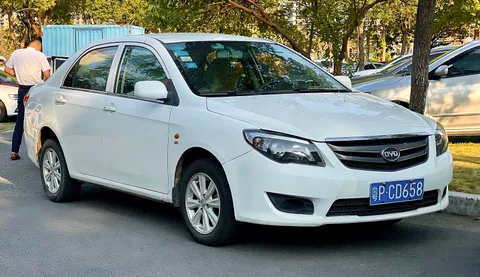
ტანი 4 740 მმ-იანია, სიმაღლე 1 480 მმ — ნორმალური ჩინური სედანი, თუმცა მწვანე ლამპის ბლეიდ-მხედრები და ტურბინასავით საეტიკეტო ალოიები ყველა გაჩერებაზე გამორჩევს. სახურავი თითქოს coupe-ის გეგმით ასწევს, სამაგიეროდ უკანა მგზავრი თავის ადგილზეა.
სიმძლავრის ევოლუცია
2012-ის ბოლოსვე შემოჰყავთ ფოტოვოტალური სახურავი და კედელზე დასამაგრი ჩარჯერი. შედარებით ახალ ეტაპში ბლეიდ-ელემენტი გამოჩნდა — EV-ვერსია უკვე 5 წამში 0–100-ს არტყავს, ჰიბრიდში კი 70 კილომეტრამდე ელექტრომართვაზე სპონტანურად გადადის.
English version
Launched in August 2012 as the plug-in hybrid derivative of the BYD Surui, the BYD Qin redefined BYD’s family-sedan range and quickly became the company’s technology showcase in the fast-changing Chinese market.
History
The Qin succeeded the 2008 BYD F3DM, taking the torch for BYD’s electrified powertrain development and arriving just as Chinese central-government incentives for New-Energy Vehicles began to accelerate. Offered initially as a plug-in hybrid, the model has spun off battery-electric and short-lived internal-combustion variants, reflecting shifting policy and consumer demand.
Design & Dimensions
Built on a 4 740 mm long, 1 480 mm high four-door sedan body, the Qin shares overall proportions with the donor Surui yet distinguishes itself with LED blade headlights and a turbine-style alloy wheel design that became a BYD signature. The roofline remains coupe-like despite the compact-mid-size footprint, maximizing rear headroom.
Powertrain Evolution
Photovoltaic roof options and wall-mounted home chargers debuted alongside the first PHEV version in late 2012. Later iterations moved to BYD’s Blade Battery for the battery-electric Qin EV, cutting 0–100 km/h times to the 5-second bracket while retaining roughly 70 km of all-electric range in hybrid mode.