BYD F6DM
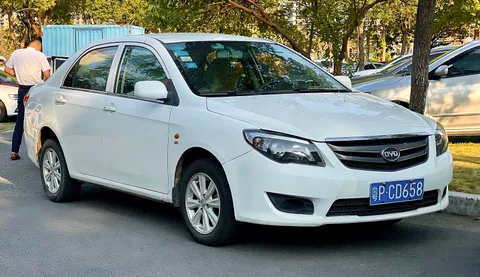
2008 წელს, BYD F6-ის პლატფორმაზე აგებული F6DM პირველი იყო, რაც ჩინურმა კომპანიამ გლობალურ სივრცეში ილია–ჰიბრიდული სედანი შესთავაზა. ელექტროფიკაციის ტალღამდე რამდენიმე წლით ადრე ამან პირველი ნაბიჯი გადადგა.
კონცეფცია და პრემიერა
2008 წლის ბეიჯინგის ავტოშოუზე BYD F6DM-სა და სრულიად ელექტრო F6E-ს ერთად წარმოადგინა, შუა ზომის სედანი კი შიდა წვისა და სრული ელექტროს შემდეგ შორის ხიდად იქცა. BYD მაშინვე იტყოდა, რომ 100 კმ-მდე ელექტრო რეჟიმში მოემსახურებოდა – ეს გათვლები ევროპული წინადადებული ტესტებზე იყო ჩამოყალიბებული.
დიზაინი და პლატფორმა
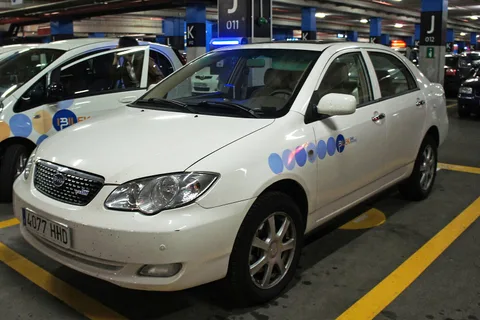
გარეგნულად F6DM-მა F6-ის სახურავი, კარი და მთელი კაროფის უმეტესი კონტური შეინარჩუნა – ეს წლების მანძილზე ჩინეთში წარმოებული Toyota Camry-ის ზომის ბაზაა. თუმცა ქვემოთ BYD-მ საკუთარი FeLiFePO4 აკუმულატორი უკანა სავარძლისა და ბარძაყის ქვეშ დაამონტაჟა – საცხოვრებელი სივრცე თითქმის არ შეფერხებულა.
მემკვიდრეობა
მიუხედავად იმისა, რომ სერიალური გაყიდვები არასდროს დაიწყო, ხოლო მსოფლიო ალტერნატივად DM2 სისტემას გადაერთო, F6DM-მა დაასაბუთა BYD-ის გზა – ელემენტები ერთ ადგილას აწარმოოს: აკუმულატორი, ძრავი, პროგრამა. ამ ჰიბრიდული პრინციპის ნაწილი მერე F3DM-ზე გადაინაწილა, შემდგომ კი ისედაც სერიული DM-i ოჯახის საფუძველი გახდა, რომელიც დღეს მსოფლიოს სხვადასხვა ბაზარზე იყიდება.
English version
Unveiled in 2008 on the BYD F6 platform, the F6DM represented BYD's first attempt to bring a plug-in hybrid mid-size sedan to the global market, foreshadowing China's rapid electrification wave.
Concept & Unveiling
BYD rolled out the F6DM alongside the battery-electric F6E at the 2008 Beijing International Automotive Exhibition, positioning the midsize sedan as a bridge between internal-combustion and fully electric powertrains. At launch, BYD claimed the car could travel up to 100 kilometres in pure-electric mode before a gasoline engine fired, a figure based on European urban drive cycles.
Design & Base Platform
Externally, the F6DM retained the roof, doors, and much of the sheetmetal from the standard BYD F6 sedan—a Toyota Camry-sized chassis built in China since 2003. Under the skin, however, BYD integrated its in-house FeLiFePO4 battery pack beneath the rear seat and trunk floor, making minimal intrusion on cabin space.
Legacy
Although consumer deliveries never materialised and worldwide production shifted toward the DM2 system, the F6DM validated BYD’s vertical integration strategy of building its own batteries, motors, and control software. Elements of the F6DM’s dual-mode hybrid architecture were later redirected into the F3DM and mainstream DM-i series that BYD markets globally today.