Holden WB
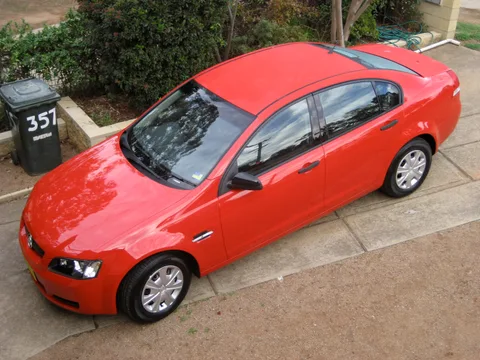
1980 წელს გამოჩნდა Holden WB — ავსტრალიელი „ფულსაიზის“ კომერციული Holdeni ბოლო სვანი. ძირითადად წინა HZ-ის გადახედვა იყო, მაგრამ მხოლოდ უტი და პანელ-ვენის კარგად დახარჯული ჭანჭიკებით. სედანები უკვე აღარ თამაშობდნენ — ერა სულ ემთავრებოდა.
ისტორია
Holden WB სერია 1980 წლის ივლისში დაიბადა, HZ-ის შემდგომი კომერციული ნაბიჯი. 1985 წლამდე გამოუშვეს მხოლოდ უტი და პანელ-ვენი, რომელთაც მანქანის ფორმა უკვე იხდებოდა. გრძელი ბაზის მოდელები Statesman ბრენდში გადაიყვანეს, Holden-ის ნიშნებიც კი მოაწყვიტეს.
დიზაინი და ინჟინერია
ტექნიკურად WB იგივე HZ-ის პლატფორმაზე და ძრავებზე დადგა. ახალი იყო მარტო კვადრატული რადიატორის ბადე, ჩასმული ფარების კიდეები და უკანა ფანარები. კომერციული კაროსერებმა შრომა გაიიოლა — დიდი სედანების დრო გადაიდო, ხარჯები კი გაითვალა.
მემკვიდრეობა
WB იქცა ბოლო ფულსაიზი Holden-Bedford სერიად, სანამ 90-ანებში ბრენდი ახლებურ კომპაქტურ უტებს მიეყიდა. Statesman-ის ლოგოზე Holden-ის ბეჯი რომ დაითხიეს — ეს იმის წინასწარ მოცემა იყო, რომ მომავალში ძველი ავსტრალიერი მექანიკური კონტიგილიო მსოფლიო პლატფორმებით შეავსებდნენ.
English version
Released in 1980, the Holden WB was the last hurrah for Australia’s full-size Holden commercial range—essentially a lightly updated HZ offered only as utes and panel vans, signalling the end of an era.
History
Holden launched the WB series in July 1980 as a commercial-only follow-up to the HZ, produced until 1985. Passenger sedans and wagons were dropped, focusing exclusively on utility and panel-van body styles whose tooling had already paid for itself. Long-wheelbase variants were spun off into the Statesman marque, deliberately stripped of any Holden branding.
Design & Engineering
Mechanically the WB carried over the well-proven HZ platform and powertrains; visible changes were confined to a new square-edged grille, flush headlamp bezels and revised tail-light lenses. Crucially, the move to purely commercial bodystyles allowed GM-Holden to keep production costs low while demand for full-size passenger cars began to wane.
Legacy
The WB remains the final full-size Holden commercial vehicle line before the brand pivoted entirely to mid-size and compact utes. Its break from tradition—omitting Holden badges on Statesman versions and eliminating sedans—foreshadowed the brand’s strategic shift toward badge-engineered global products in the later 1980s.